
A Culinary Journey Through Stockholm: Restaurants Worth Travelling For
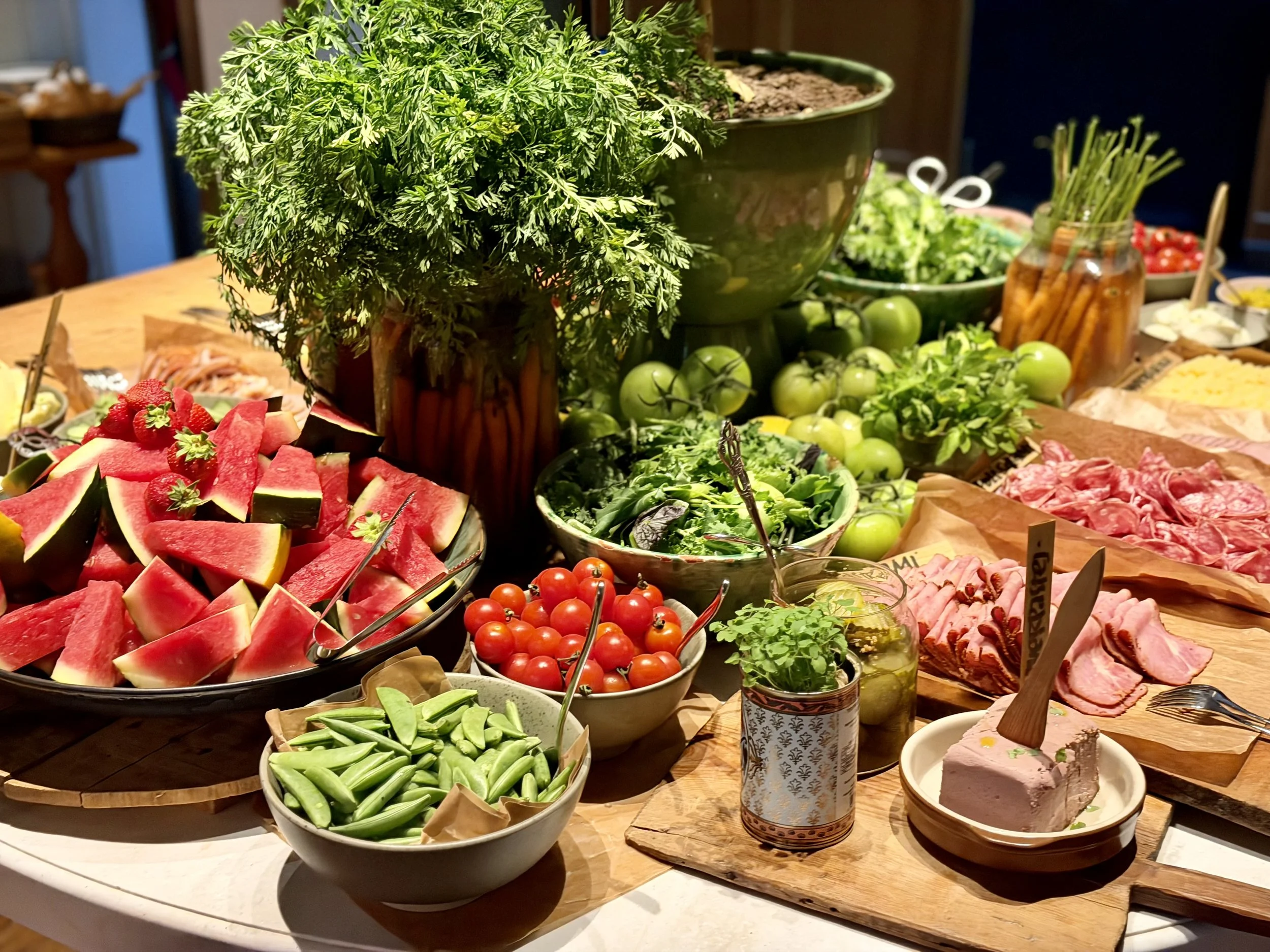
Everyone knows the queen Josephine is a foody, but one of my favourite surprises of my Stockholm trip was discovering just how incredible the food scene is. Every restaurant we visited seemed to tell a different story about the city — from historic cafés preserving Swedish traditions, to contemporary restaurants pushing boundaries with international influences, and hidden island retreats where food and nature come together perfectly. What stood out most was how every venue had its own personality, but they were all connected by the same Swedish values: quality ingredients, creativity, sustainability and a genuine sense of hospitality.
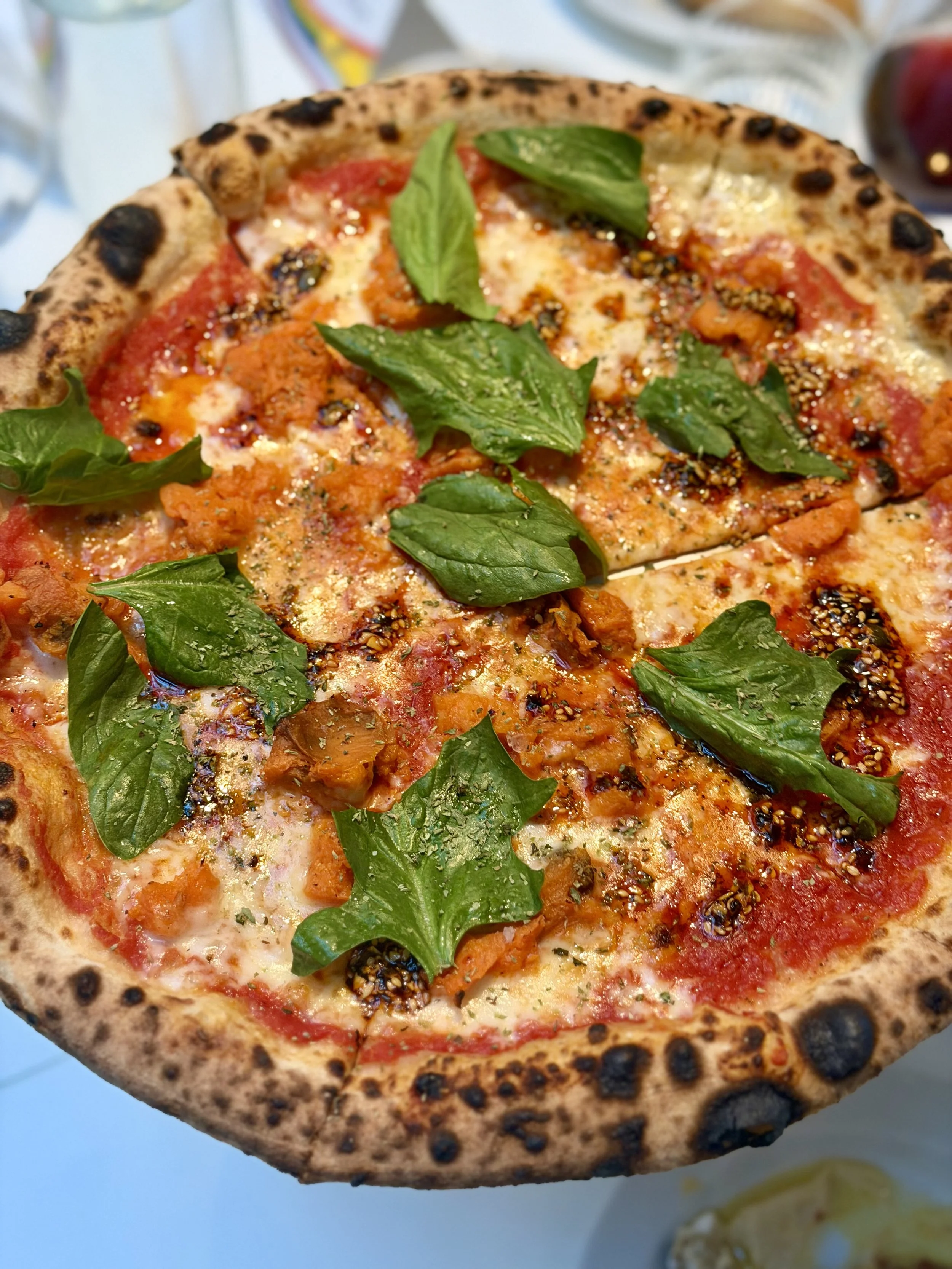
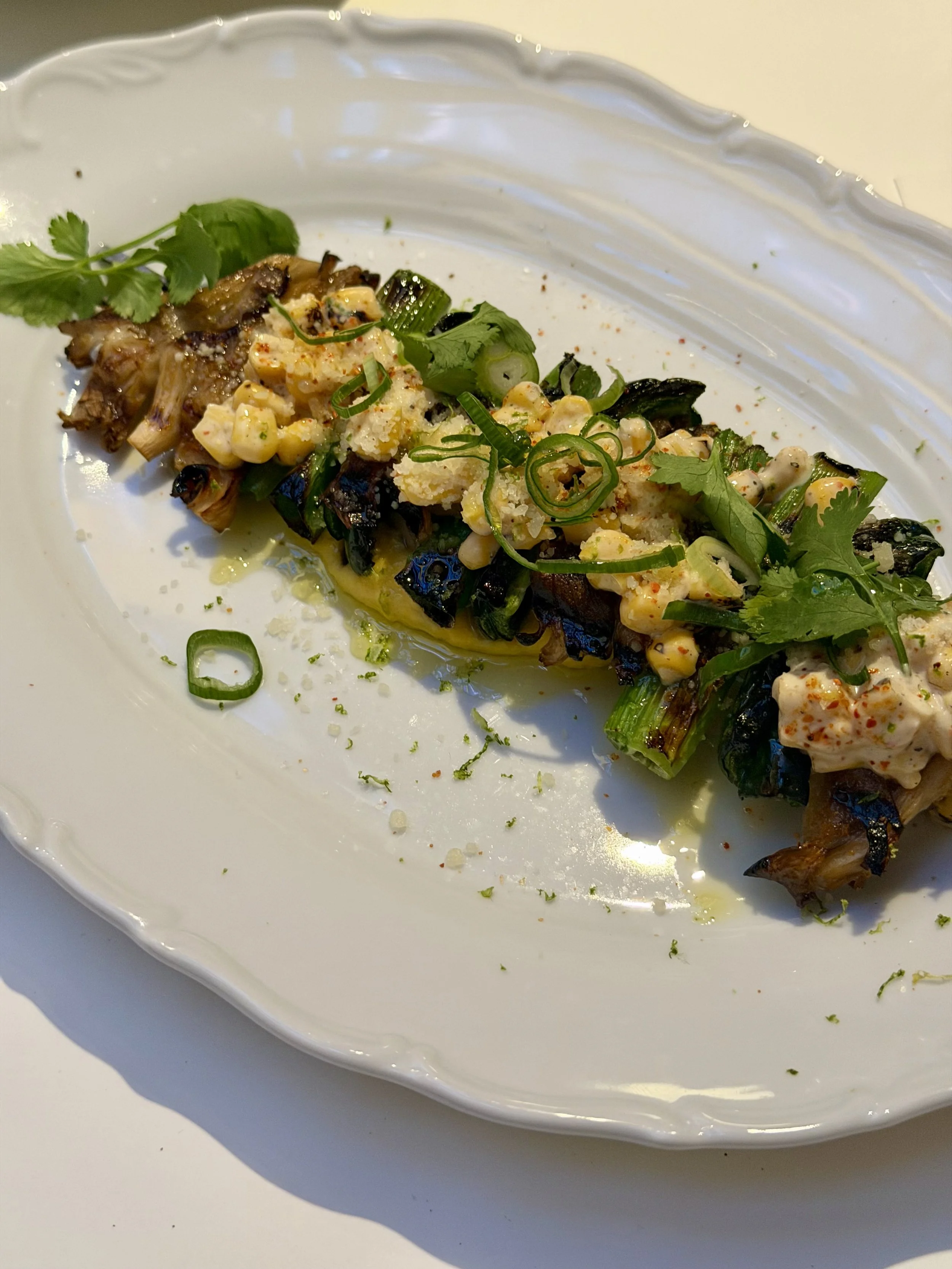
Our first dining experience was at Solen, a cute restaurant located in the revitalised Slakthusområdet, Stockholm’s former meatpacking district. Created by acclaimed Swedish chefs Adam Dahlberg and Albin Wessman, Solen takes inspiration from the Mediterranean, the Middle East and South America, creating a menu that feels vibrant, playful and full of flavour. The name itself means “the sun”, which perfectly reflects the warmth and energy of the restaurant. As the only vegetarian in our group, I experienced a slightly different side of the menu, but it was fun to contrast between the options, as there’s always vegetarian alternatives to the main dishes. One thing I will say as a home vegan, travelling vegetarian, fish needs to be explained specifically as vegetarian unfriendly because a lot of people separate meat, from fish. There’s loads of creamy things also so veganism is a bit tricky. One of the standout dishes here however was their incredible pizza inspired by Georgia O’Keefe. It featured sweet potato, some chilli crisp spice and was delish!
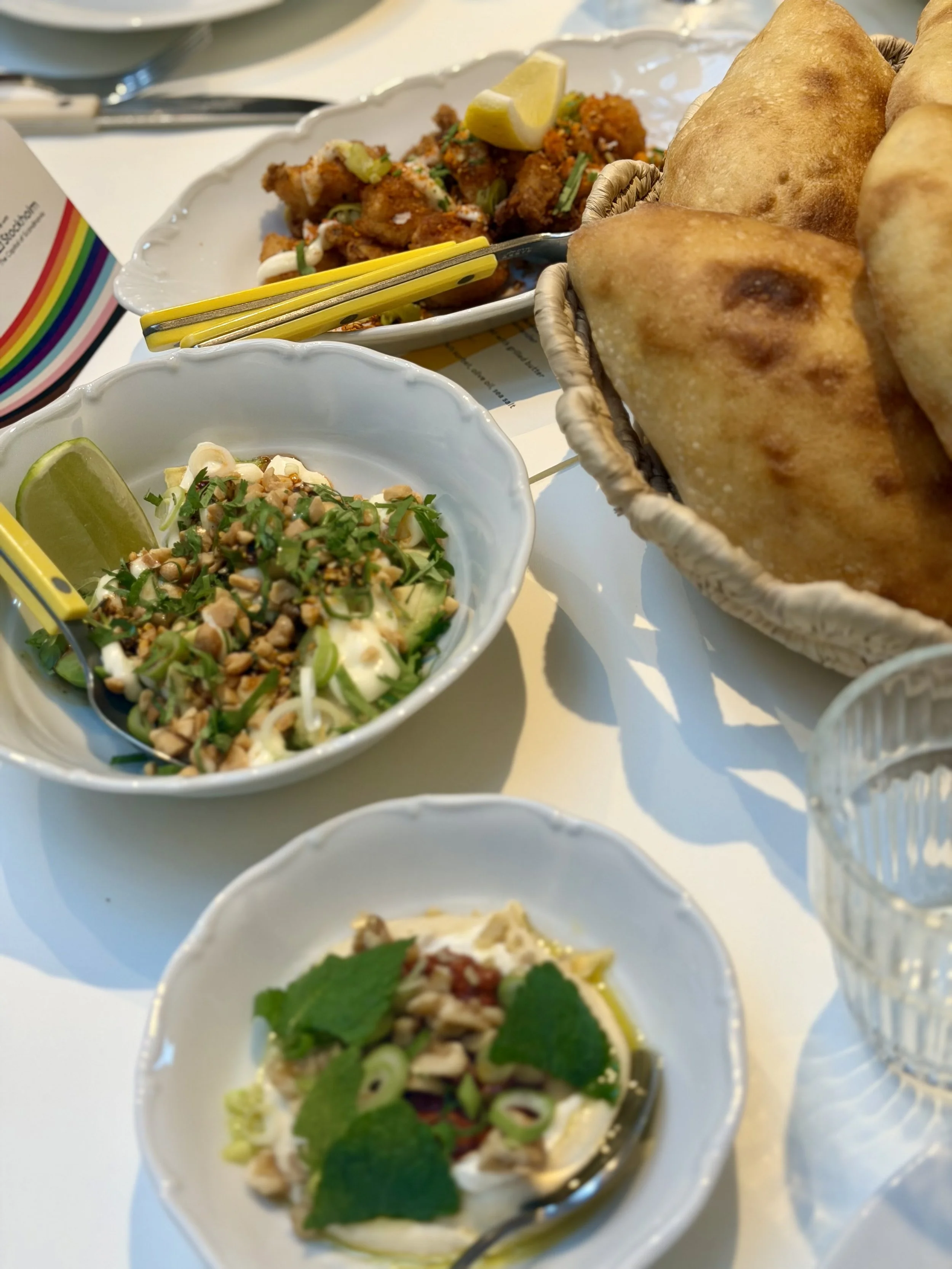
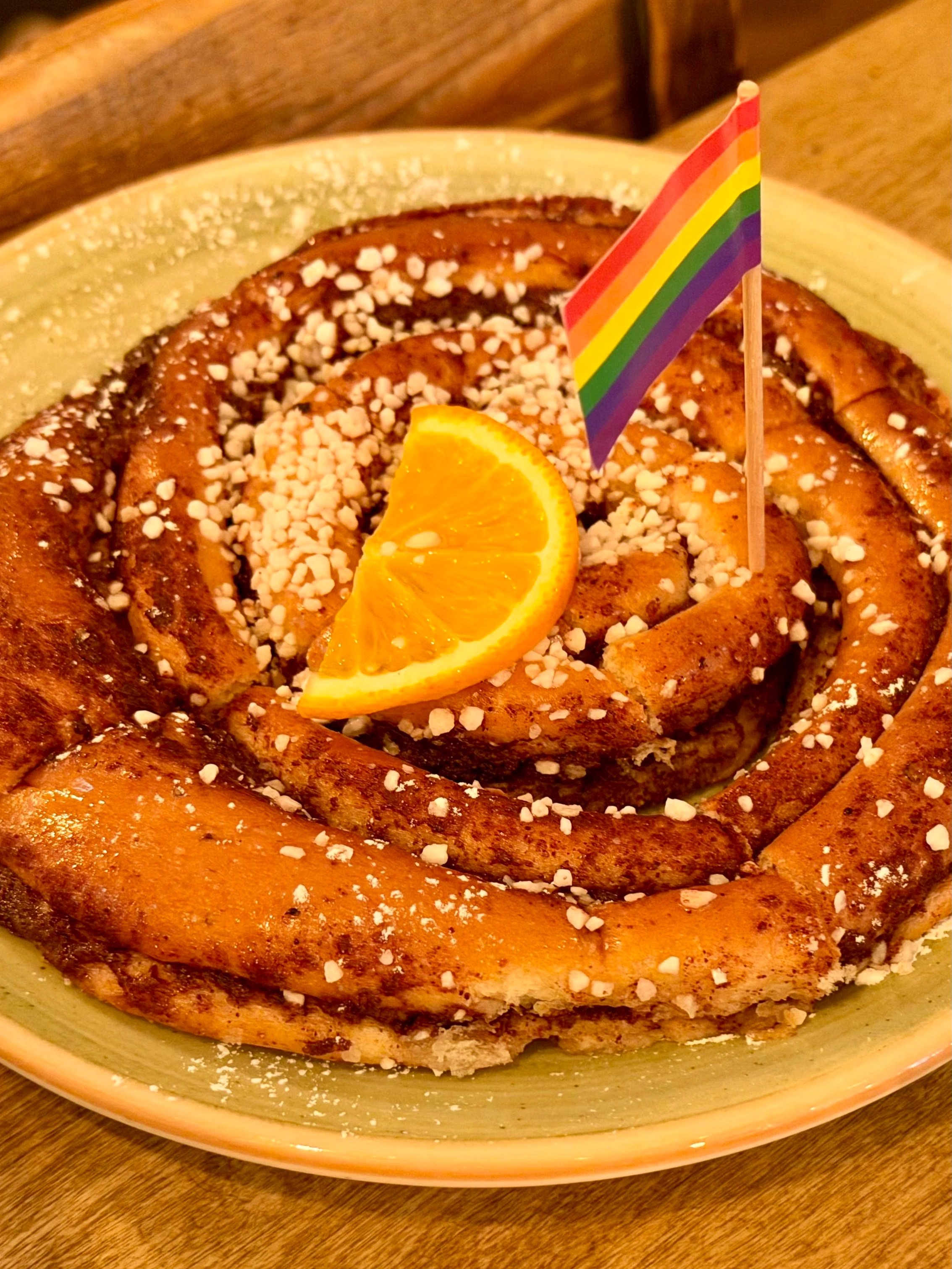
A huge cultural discovery for me was learning about the Swedish tradition of fika. More than simply having a coffee break, fika is a moment built into Swedish life where people pause, connect and talk about anything other than work. It can happen at home, in the workplace or socially, and I loved learning that many Swedish employers actively encourage this ritual as part of creating a healthier work-life balance. We experienced fika at Chokladkoppen, one of the oldest and most charming cafés in Stockholm’s historic Gamla Stan. The café has a particularly special place within the LGBTQ+ community, becoming one of the first businesses in Stockholm to proudly display the rainbow flag in 1997. You can find it in the middle of the Old Town square, with coffee and traditional Swedish cinnamon and cardamom buns.
Another unforgettable experience was visiting Mälarpaviljongen, a beautiful floating restaurant overlooking Lake Mälaren. The venue feels like a sort of lakeside oasis in the middle of the city, with wooden walkways, colourful flowers and waterside dining areas that make you feel as though you have escaped far away from Stockholm’s streets. We had the opportunity to meet the owner, who shared the incredible work they do beyond hospitality. Mälarpaviljongen is known for supporting LGBTQ+ causes internationally, donating towards organisations that help LGBTQ+ communities facing discrimination and persecution, while also creating opportunities for LGBTQ+ refugees to integrate into Swedish society through employment. It was wonderful to discover a restaurant where you could feel the totally inclusive vibe and they really walk the walk.
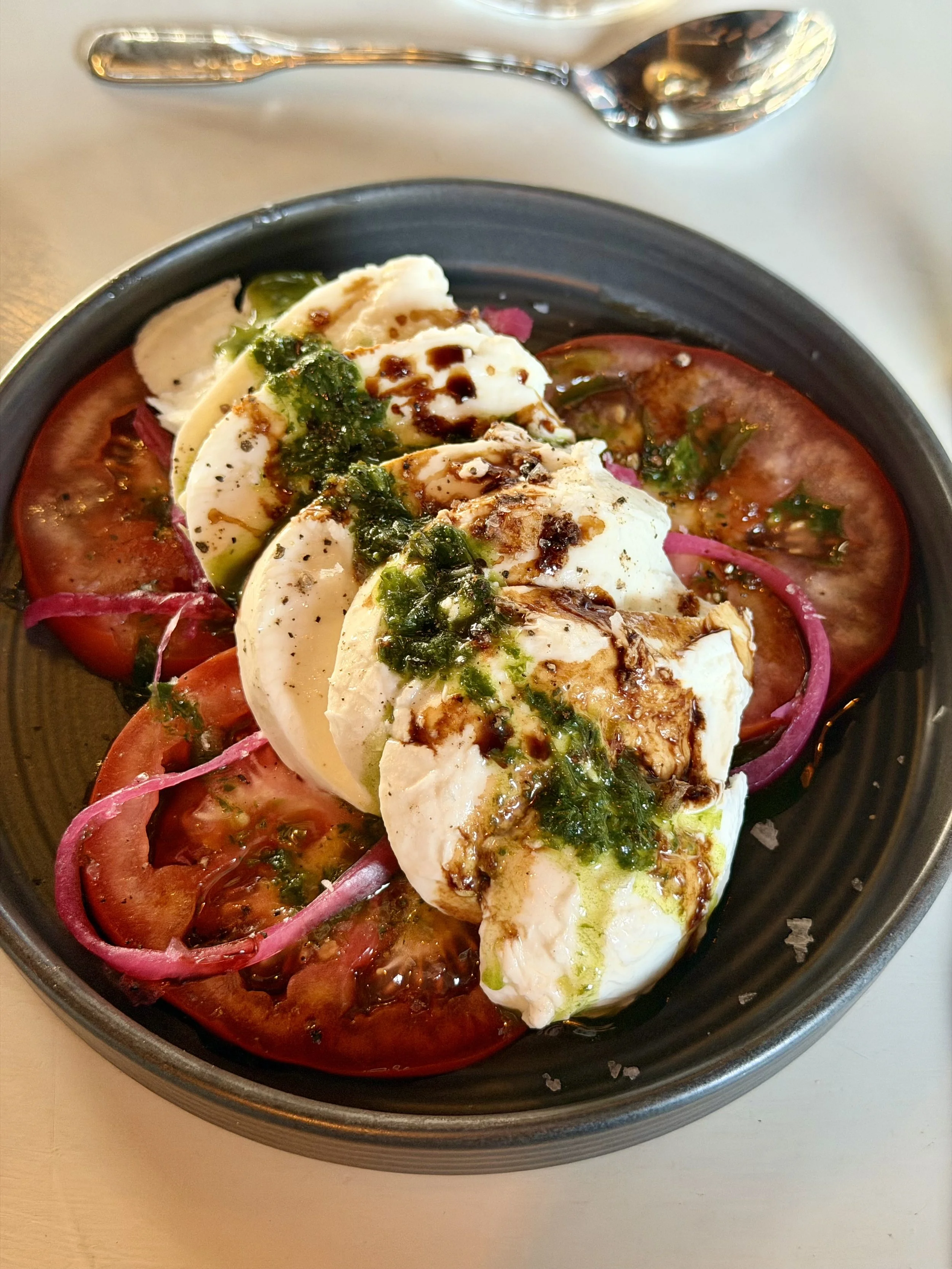
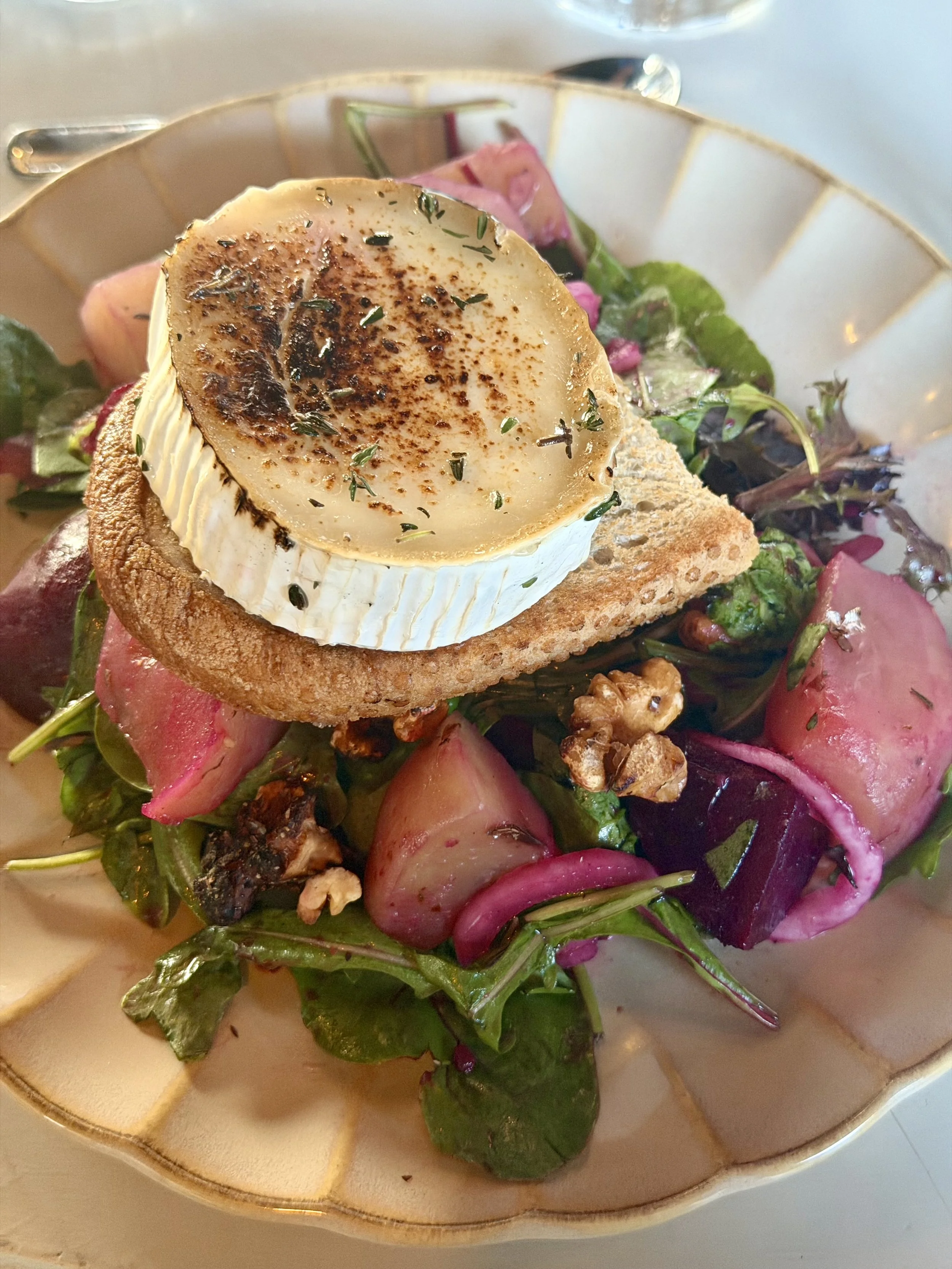
The food itself was gorgeous, again the vegetarian options centre cheese which is fab for the vegetarians. There were beautifully prepared Scandinavian dishes showcasing fresh, seasonal ingredients. While many guests enjoyed seafood I tried to sneak my pals food for the jhournal lol! Dining beside the water, surrounded by greenery and such a welcoming atmosphere, made this one of the most peaceful and meaningful meals of the entire trip.
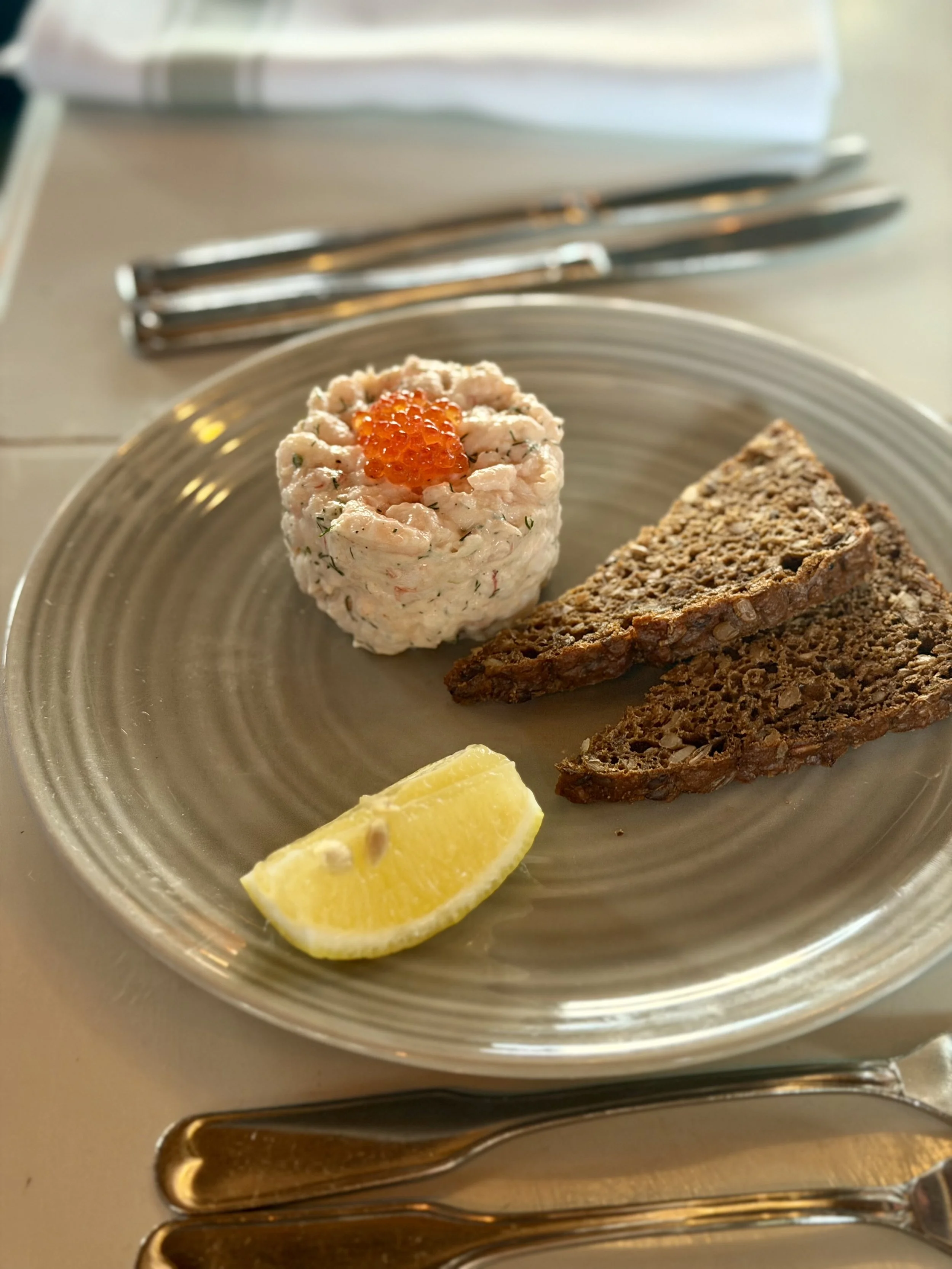
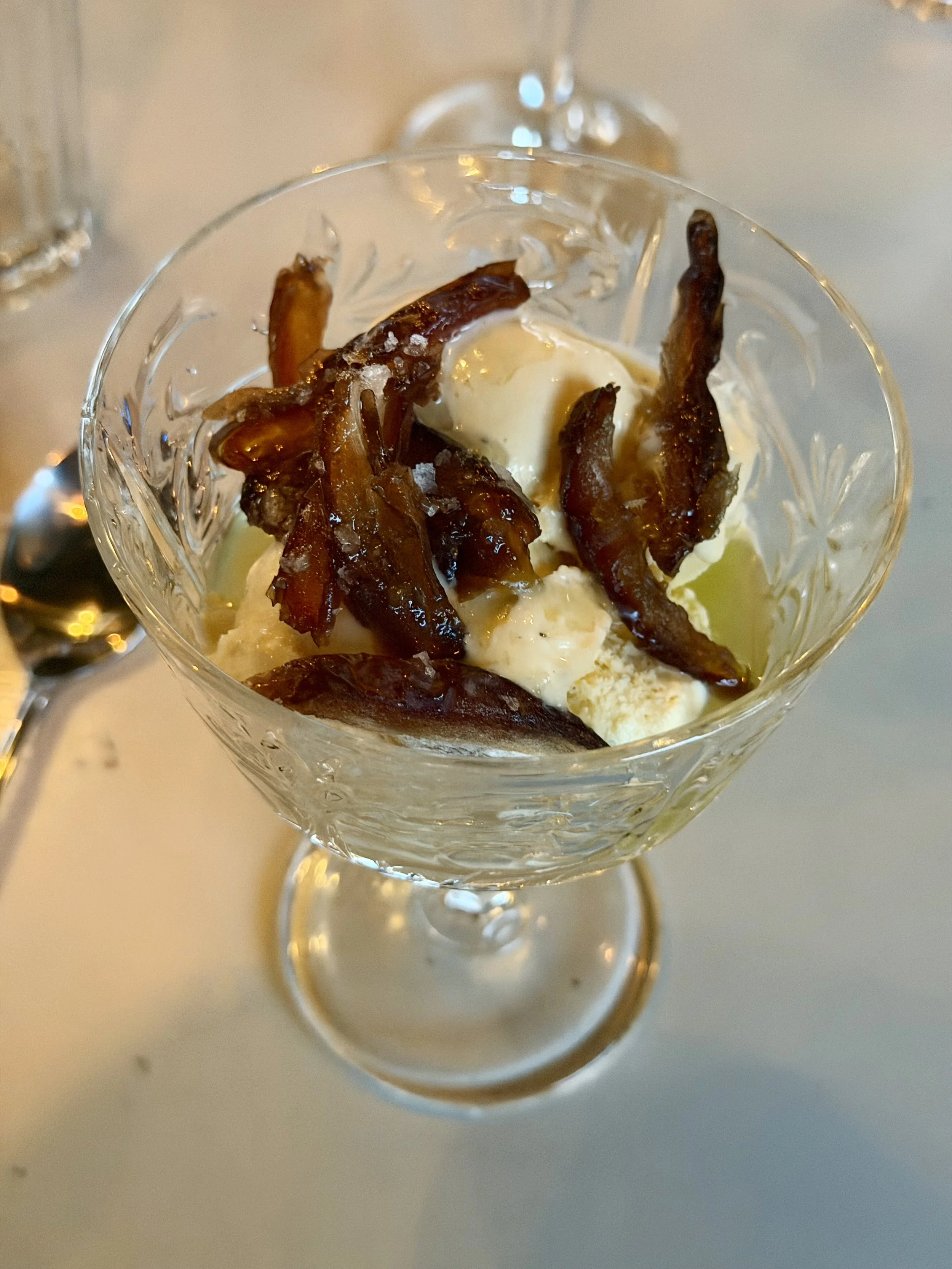
We also visited Hotel Skeppsholmen, a peaceful retreat situated on the beautiful island of Skeppsholmen. Dating back to 1699, the historic building has been transformed into a modern, sustainable boutique hotel surrounded by greenery and water. It perfectly captures the Swedish approach to design, understated, elegant and truly full of Stock! The setting alone makes it worth visiting, offering a calm escape from the energy of the city while remaining close to Stockholm’s cultural attractions.
Hellstens Glashus was one of the most fascinating venues we visited because the building itself has such a rich history. Situated in one of Stockholm’s most interesting neighbourhoods, the hotel and restaurant have embraced the building’s previous lives, including its time as a theatre and a mechanic’s workshop. Rather than removing the past, they have incorporated it into the design, creating a space filled with fascinating details, including historical objects, African masks and even a preserved drill mark from renovation work.
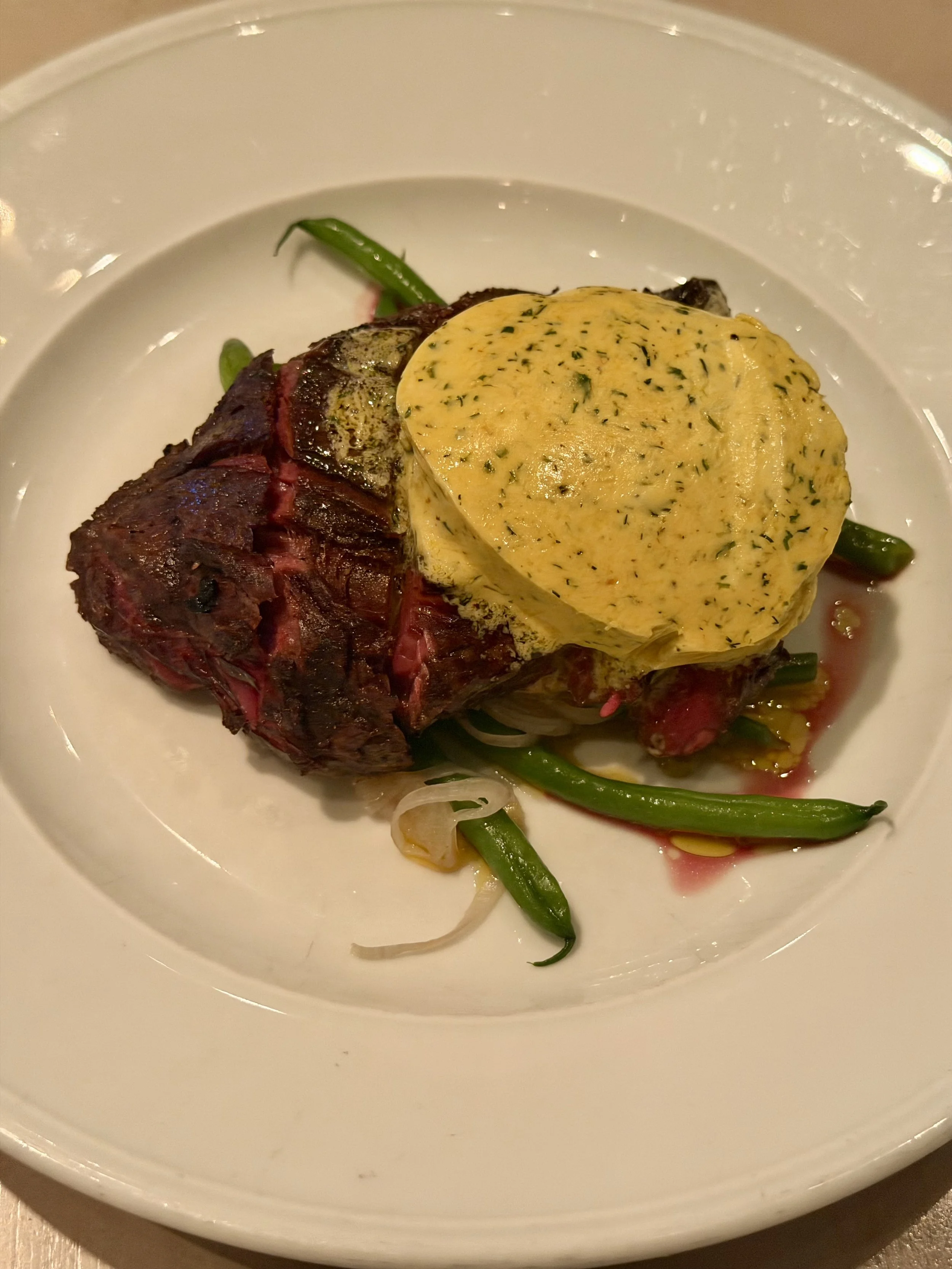
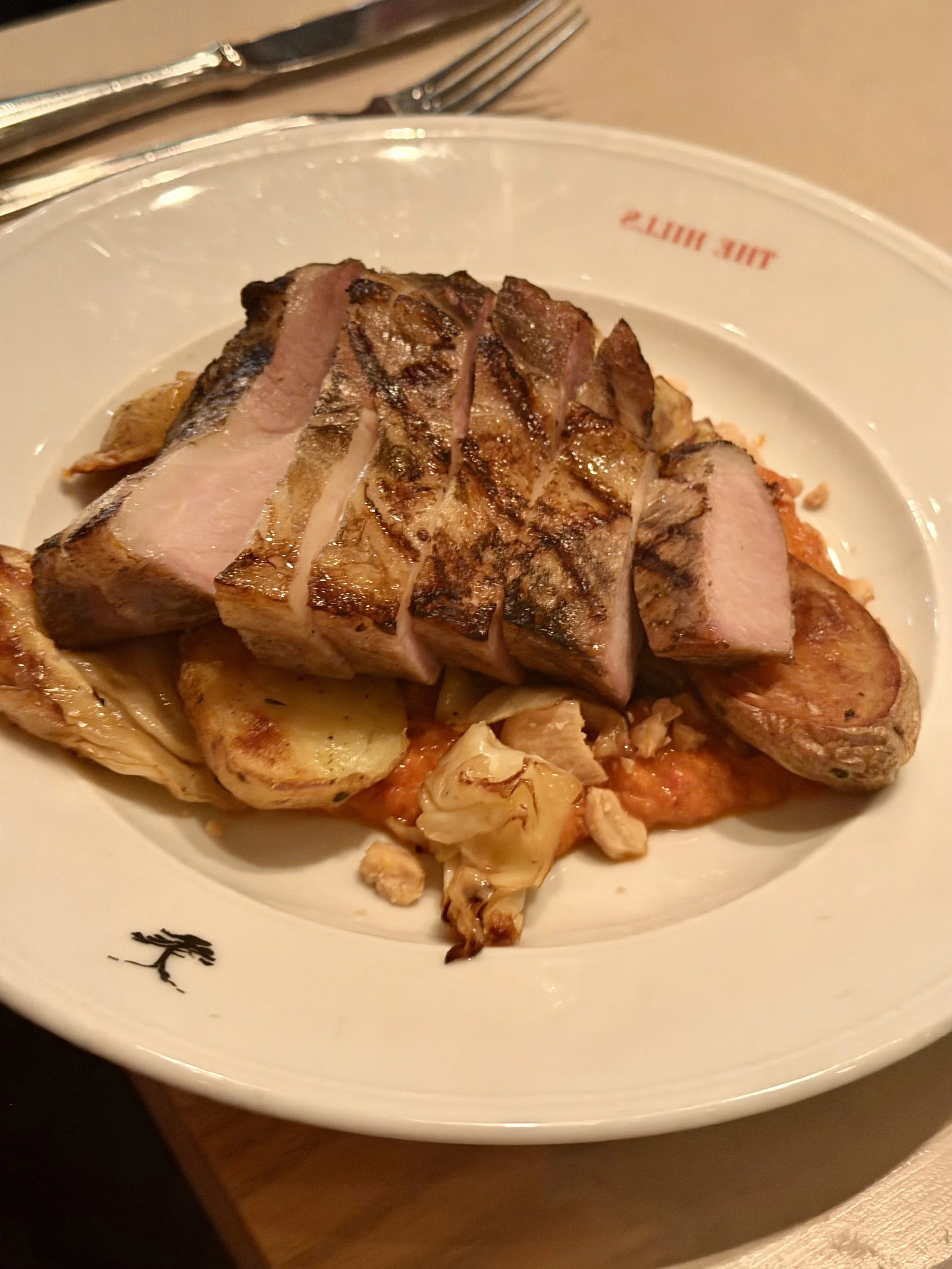
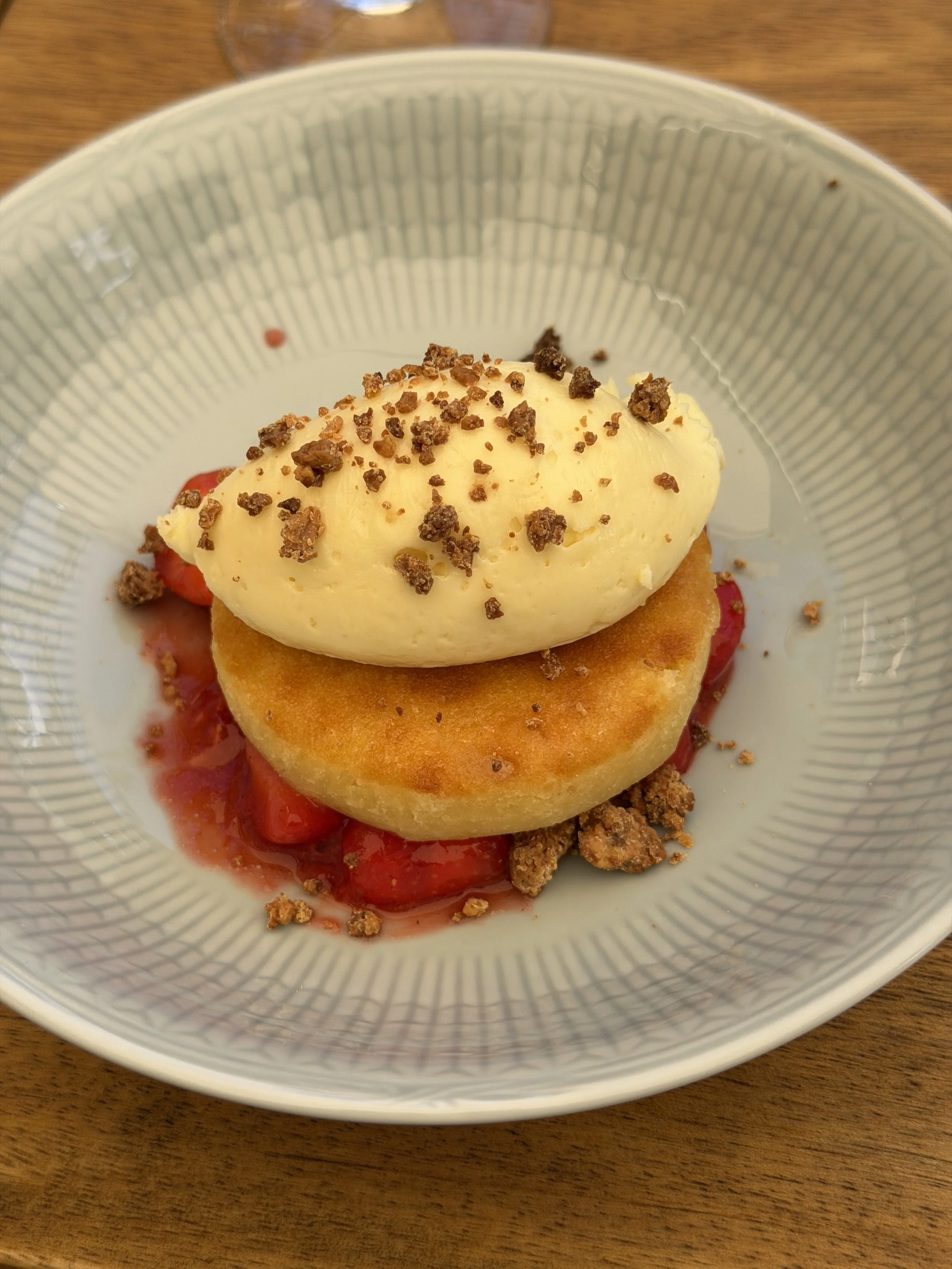
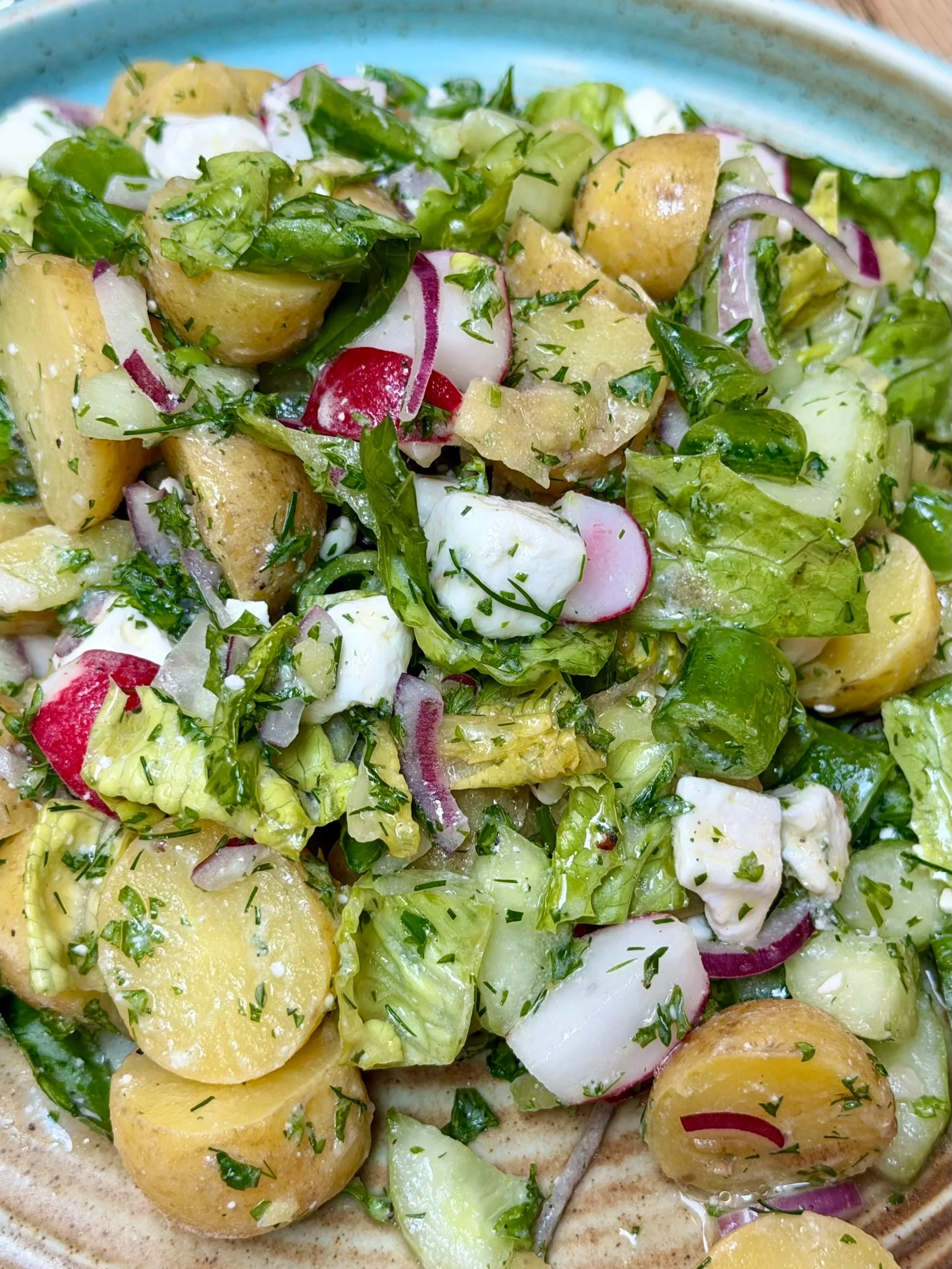
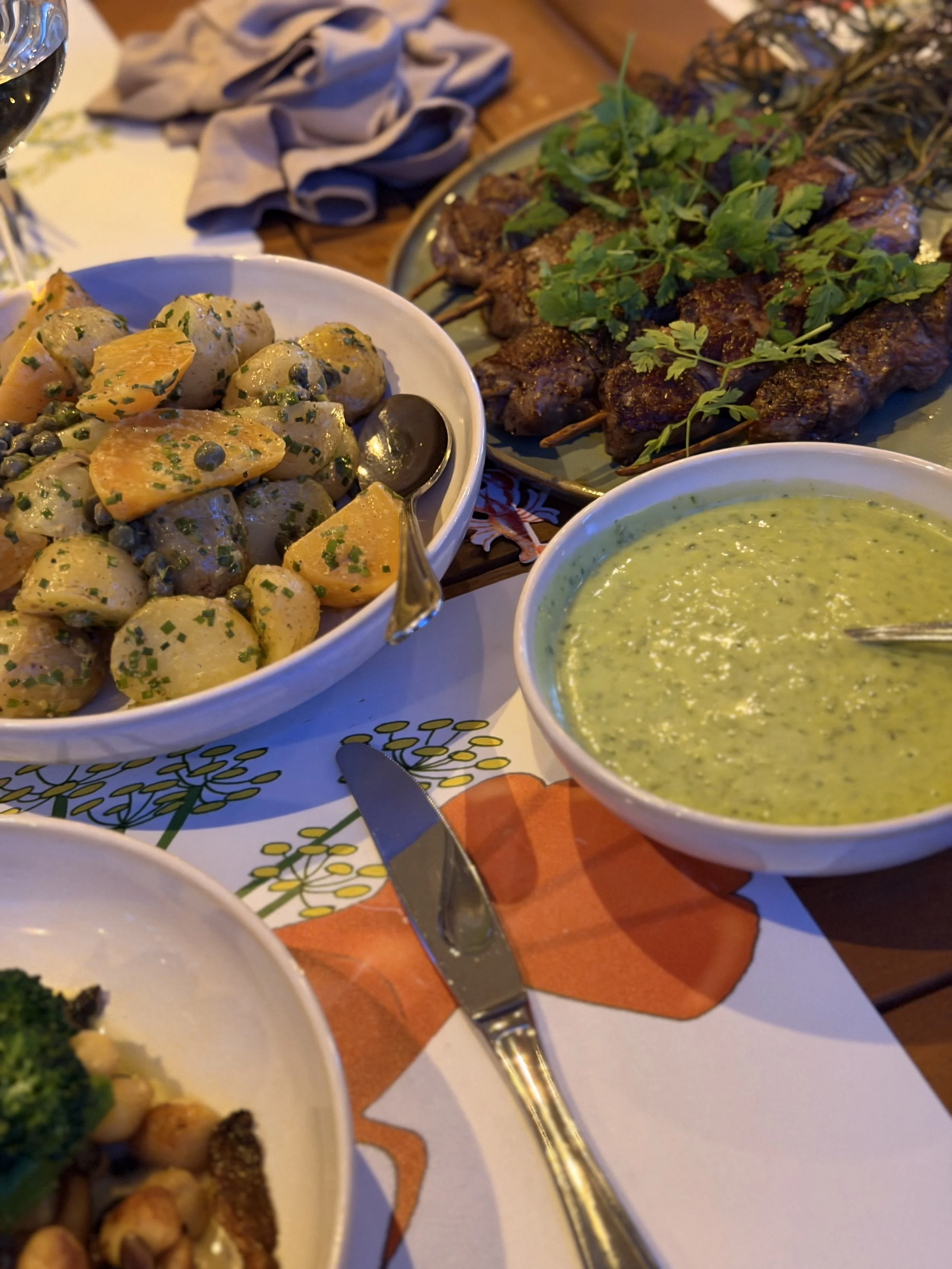
The floor-to-ceiling windows create a beautiful atmosphere, while lunch was equally memorable. We enjoyed a delicious potato salad, with seafood options available for those who wanted prawns, while my vegetarian version was just as carefully prepared. It was another reminder that Stockholm restaurants take enormous pride in presenting even the simplest ingredients with care.
Dinner at Hills Stockholm was another highlight. Designed by celebrated Swedish designer Jonas Bohlin, the restaurant combines Scandinavian simplicity with French influences, creating a space that feels artistic, stylish and full of personality. We had the pleasure of meeting the owner, who was awesome and gave us a brief history. I thought the toilets were intriguing, with a audio book being read out which was quite fascinating to hear whilst using one of the two toilets found in the same room lol! The menu focused on beautifully prepared seasonal ingredients, paired with organic wines from around the world. Every detail, from the interiors to the playful design touches, reflected Stockholm’s ability to combine creativity with comfort.
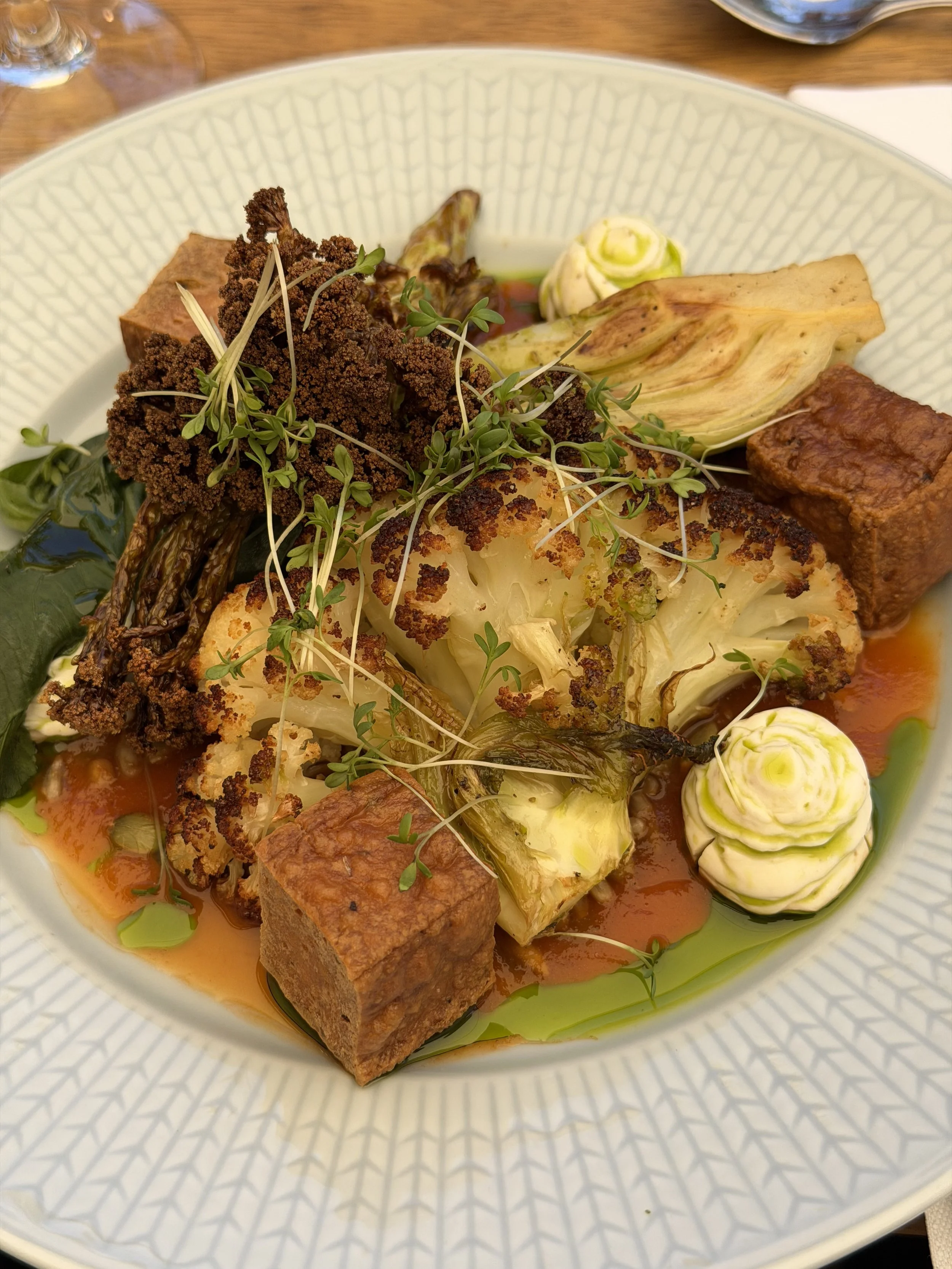
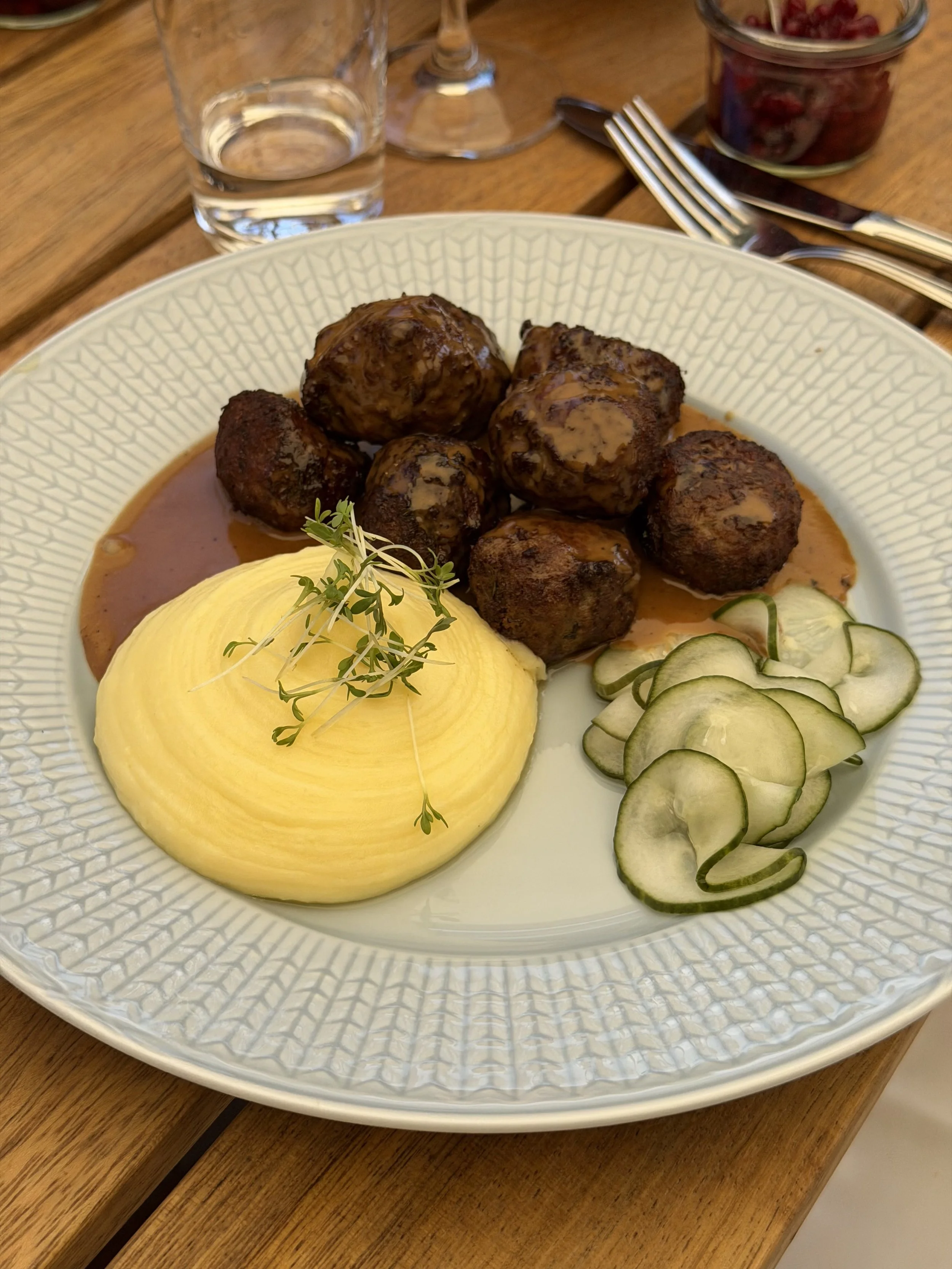
Our visit to Café Claudette took us across to Skeppsholmen Island, where we discovered another relaxed and welcoming restaurant experience. The atmosphere was rustic, nostalgic and beautifully simple, celebrating traditional Swedish flavours while giving them a modern interpretation. Many of the group enjoyed classic Swedish meatballs served with creamy mashed potatoes, rich gravy and lingonberries. Me the odd one out, I was blown awas with the tofu alternative, which showed once again how thoughtfully Stockholm restaurants cater for different diets without compromising on flavour. It was smokey, crispy and yum!
Our journey continued outside the city centre to Hotel J in Nacka, where the experience became as much about the surroundings as the food. Set among forests overlooking the water, Hotel J combines boutique accommodation, wellness, yoga and nature experiences. The location feels like a peaceful retreat from city life.
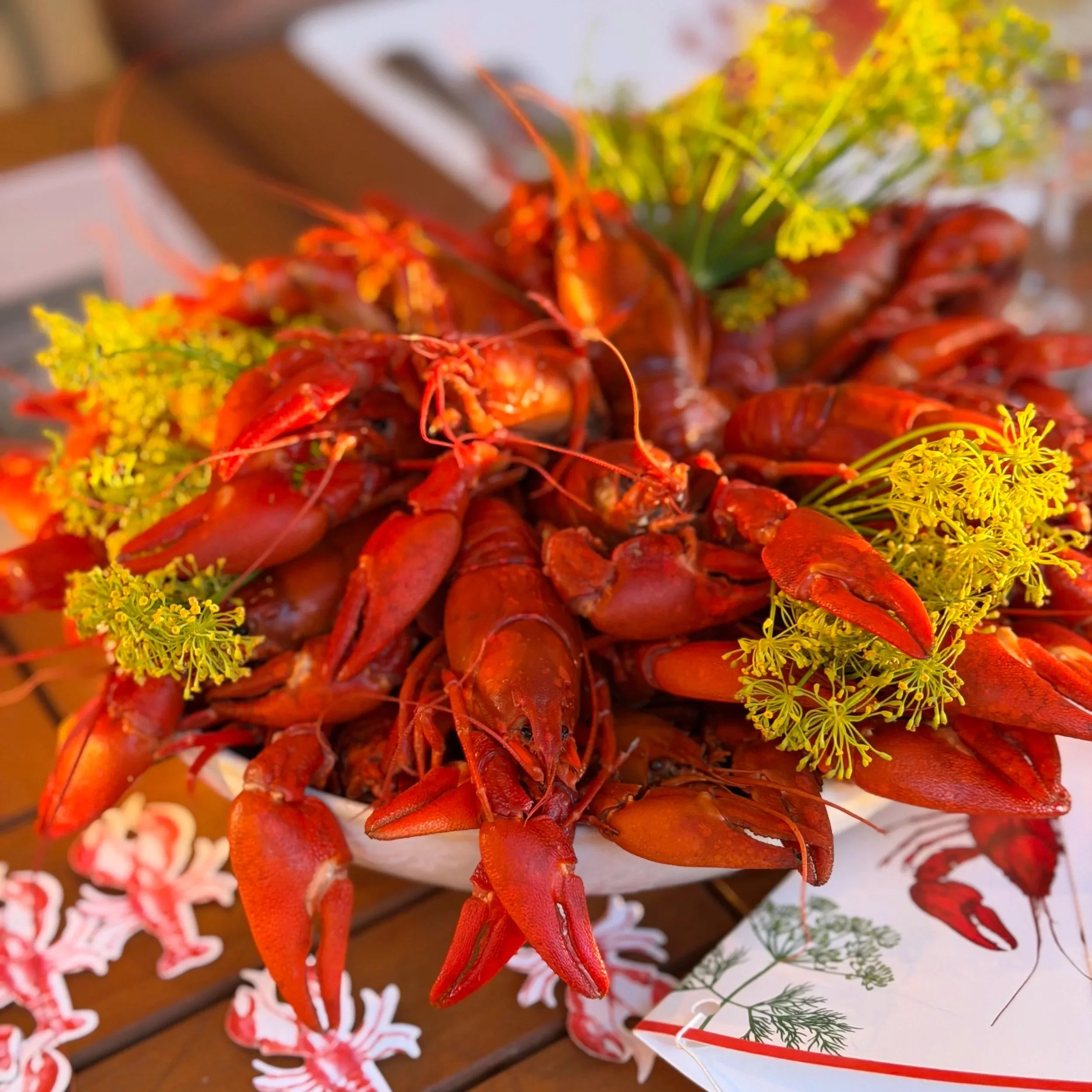
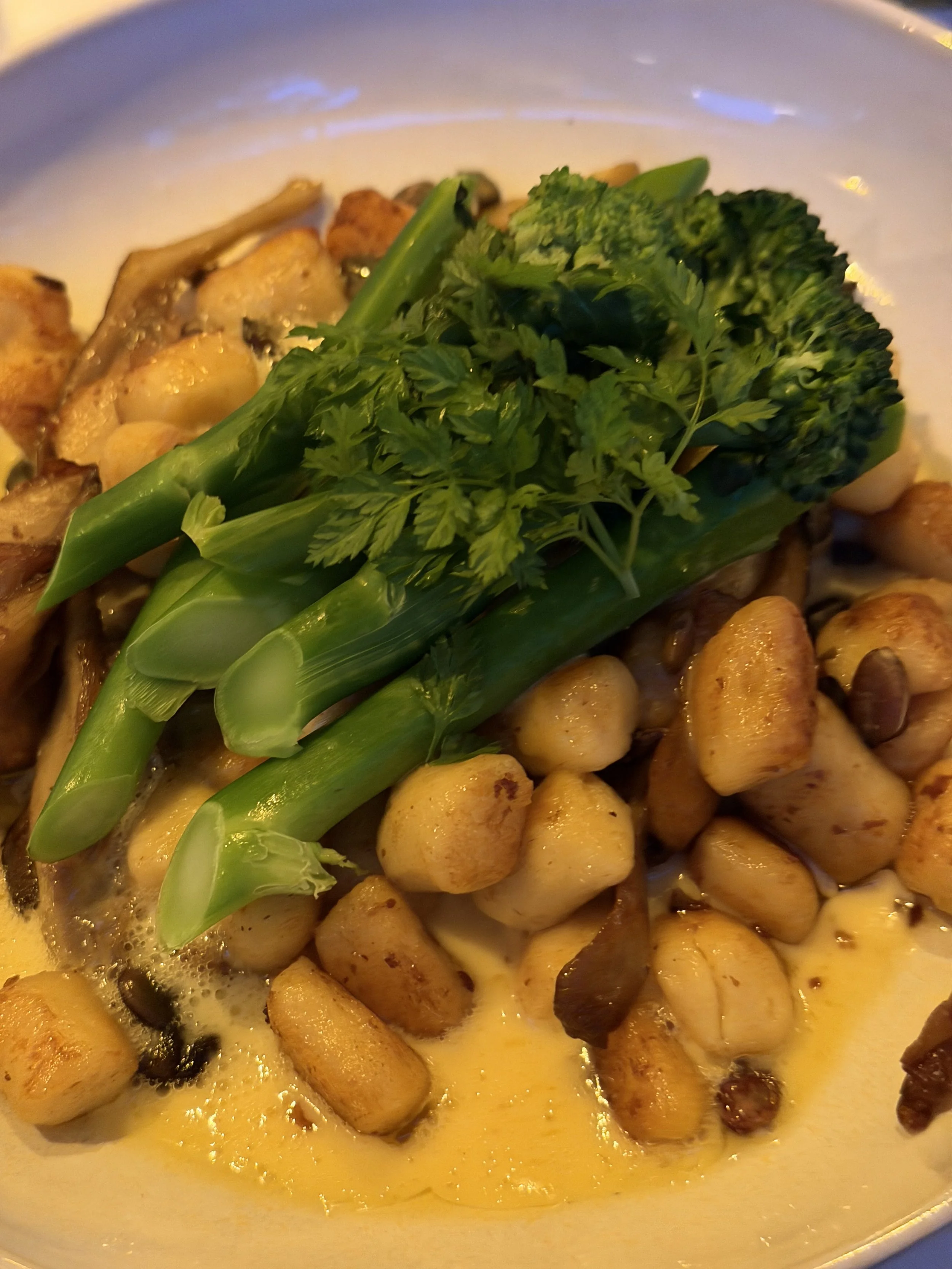
Here we experienced one of Sweden’s great summer traditions: the crayfish feast. While the group enjoyed crayfish cooked with beer and dill, the kitchen created a wonderful vegetarian experience for me, including a traditional Swedish cheese pie with pickled onions and an incredible mushroom gnocchi that was one of the standout dishes of the trip. Surrounded by nature and beautiful views across the water, it was a truly special meal.
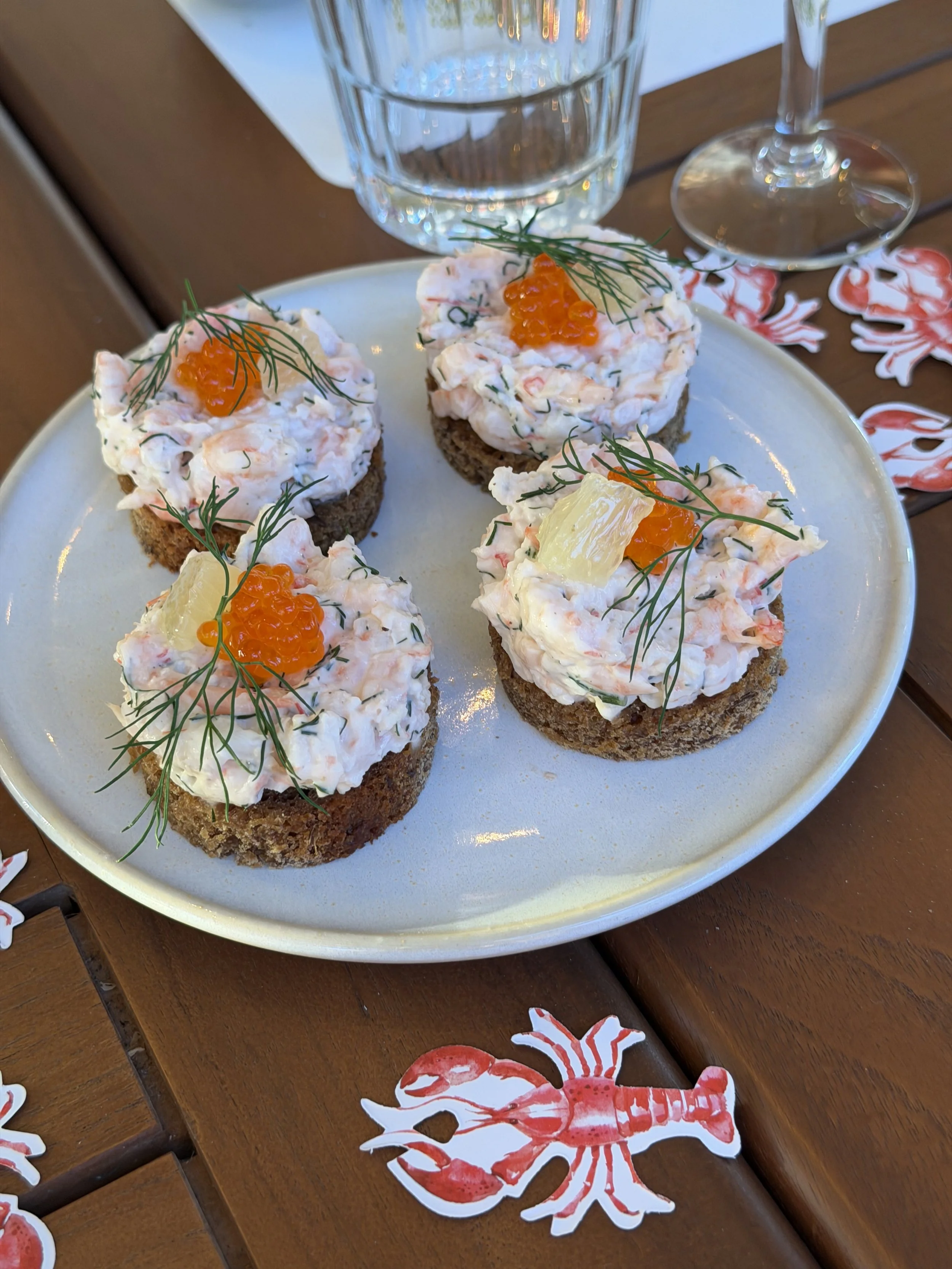
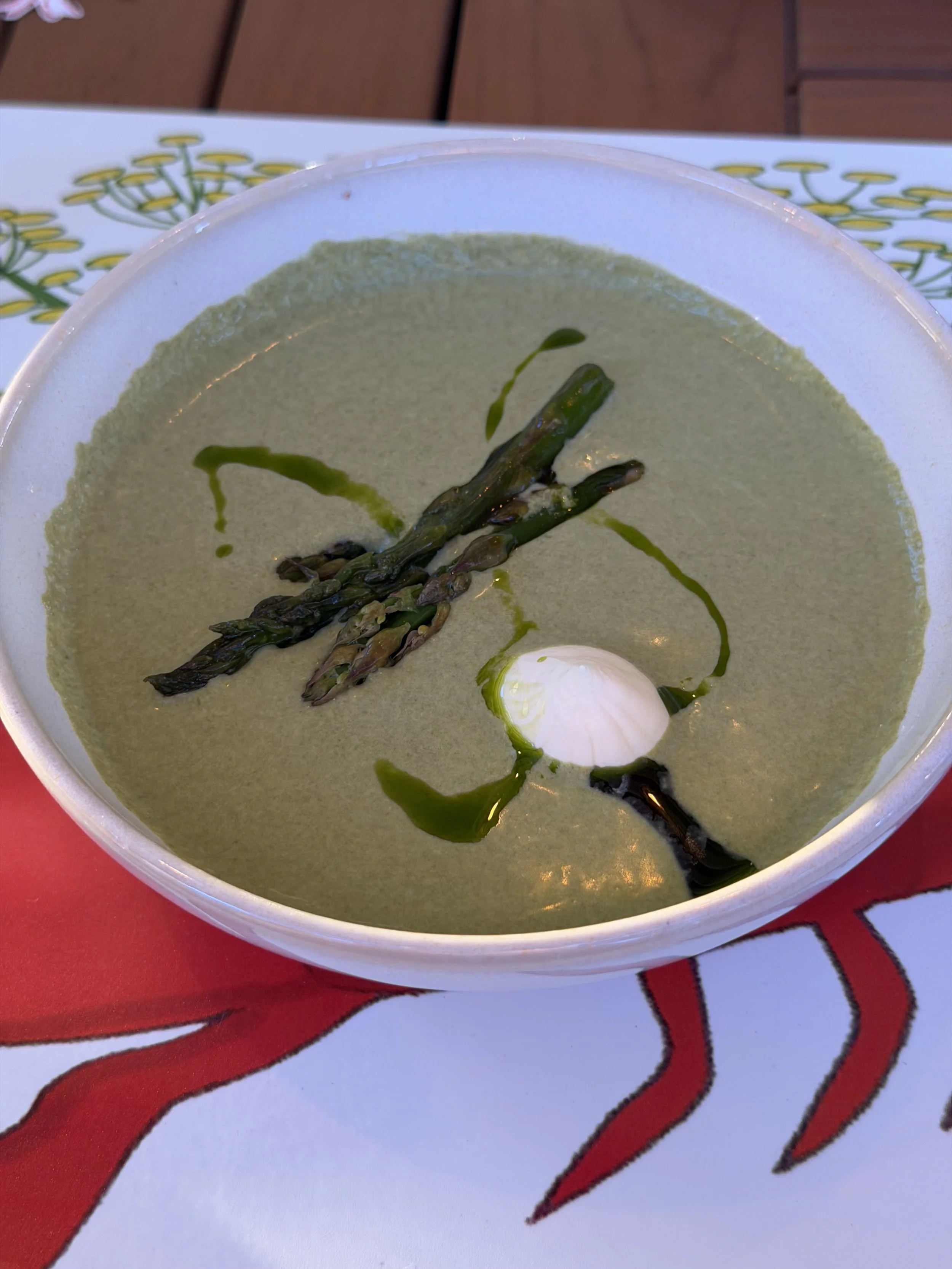
Finally, we travelled by boat to Idöborg, a privately owned island in the Stockholm Archipelago. Arriving here felt like stepping into another world, a place of wooden cabins, peaceful forests, yoga spaces and snakes! No there aren’t actually many snakes there but I was intrigued to learn there were some indigenous creatures that I had no idea about. We enjoyed delicious starters, including crisp snacks and a wonderful chanterelle mushroom toast with kale, while my vegan falafel platter was colourful, fresh and full of flavour. The mother of the Islands contemporary owners Anette, was the name sake of the vegetarian option and I think she had a massive impact on the direction of the retreat. The meal finished with a beautiful chocolate and raspberry cake, providing the perfect ending to our archipelago adventure.
Looking back at all the restaurants we visited, what impressed me most was the consistency of Stockholm’s food culture. Whether eating in a world-class restaurant, a historic café or a remote island retreat, every experience felt connected by the same values: quality ingredients, sustainability, creativity and a genuine sense of hospitality. So overall, we live for Stockholms food!