Royal Connections: Sweden’s Queer History, Monarchy and Hidden Stories
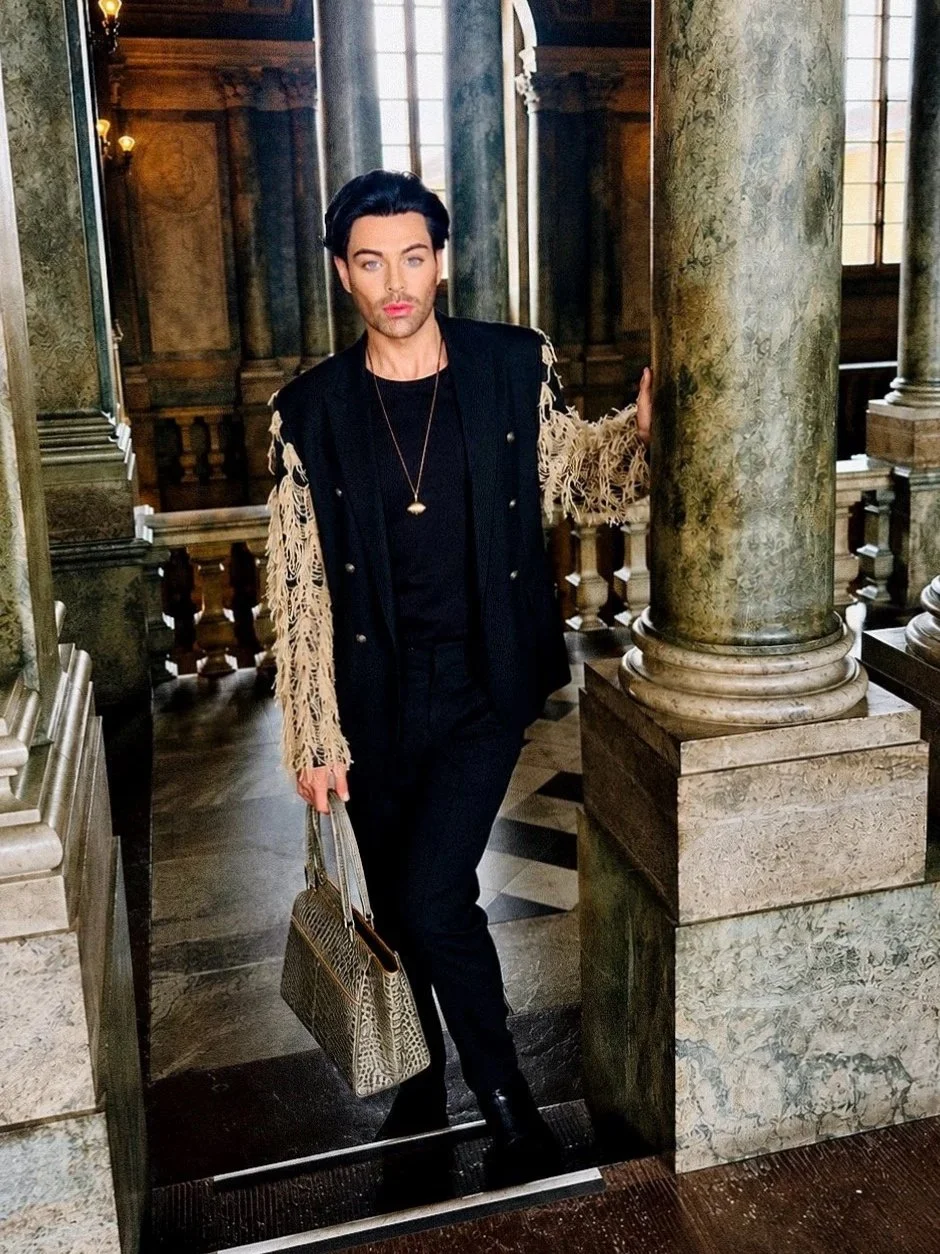
One of the most fascinating discoveries during my time in Stockholm was learning about the deep and often overlooked connections between Sweden’s royal history and the LGBTQ+ community. Before visiting Sweden, I had very little understanding of how progressive and intertwined the country’s cultural history was with queer stories, and I was fascinated to discover how some of these narratives stretch back hundreds of years.
The contemporary Swedish royal family has shown visible support for LGBTQ+ communities in recent years which was awesome to find out! During the COVID-19 pandemic, Crown Princess Victoria took part remotely in the QX Gay Gala, an annual celebration organised by Swedish LGBTQ+ magazine QX Magazine, where she presented an award despite the event having to move online due to restrictions. It was a small but meaningful gesture that reflected the monarchy’s public support for inclusion and equality.
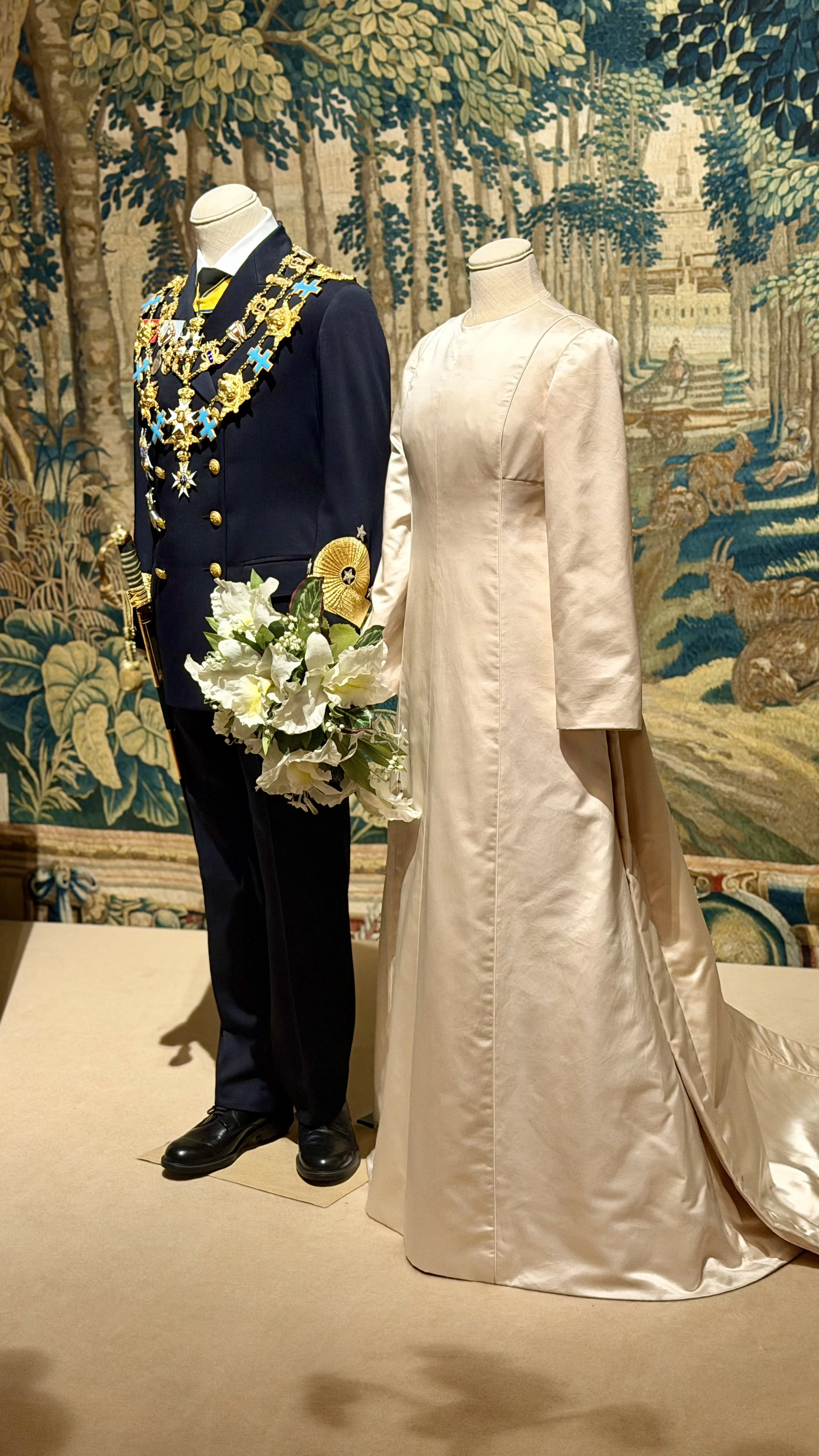
I was also excited to learn about the relationship between Queen Silvia of Sweden and one of the country’s most diva fab drag performers, Lars-Åke Wilhelmsson, better known as Babsan. Babsan became famous for her glamorous performances and playful impersonations, including recreating Queen Silvia’s iconic style. The story goes back to the 1980s, when Wilhelmsson performed an impersonation of the Queen wearing a yellow gown inspired by one of Silvia’s famous looks. Years later, Queen Silvia presented Babsan with an award, a moment that demonstrated a warm and unexpected connection between Sweden’s royal institution and its LGBTQ+ cultural community.
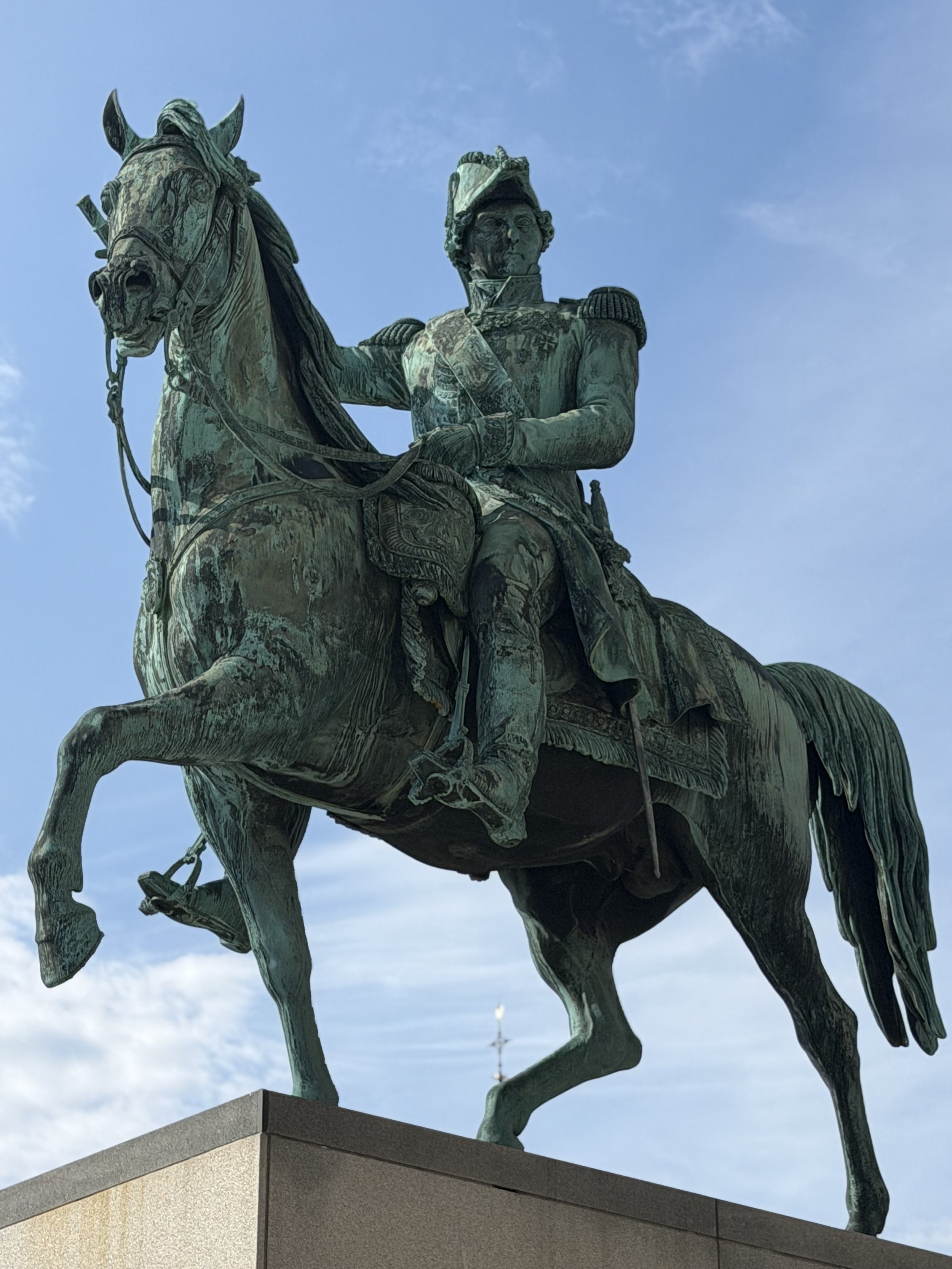
What I found particularly interesting was discovering that Sweden’s current royal dynasty is not the original royal lineage. The present House of Bernadotte began when Jean-Baptiste Jules Bernadotte, a French marshal under Napoleon, was chosen as heir to the Swedish throne in 1810. He was adopted by King Charles XIII, who had no surviving heirs, and later became King Charles XIV John of Sweden. It is a fascinating example of European royal history, showing how monarchies have evolved through political necessity, adoption and unexpected succession.
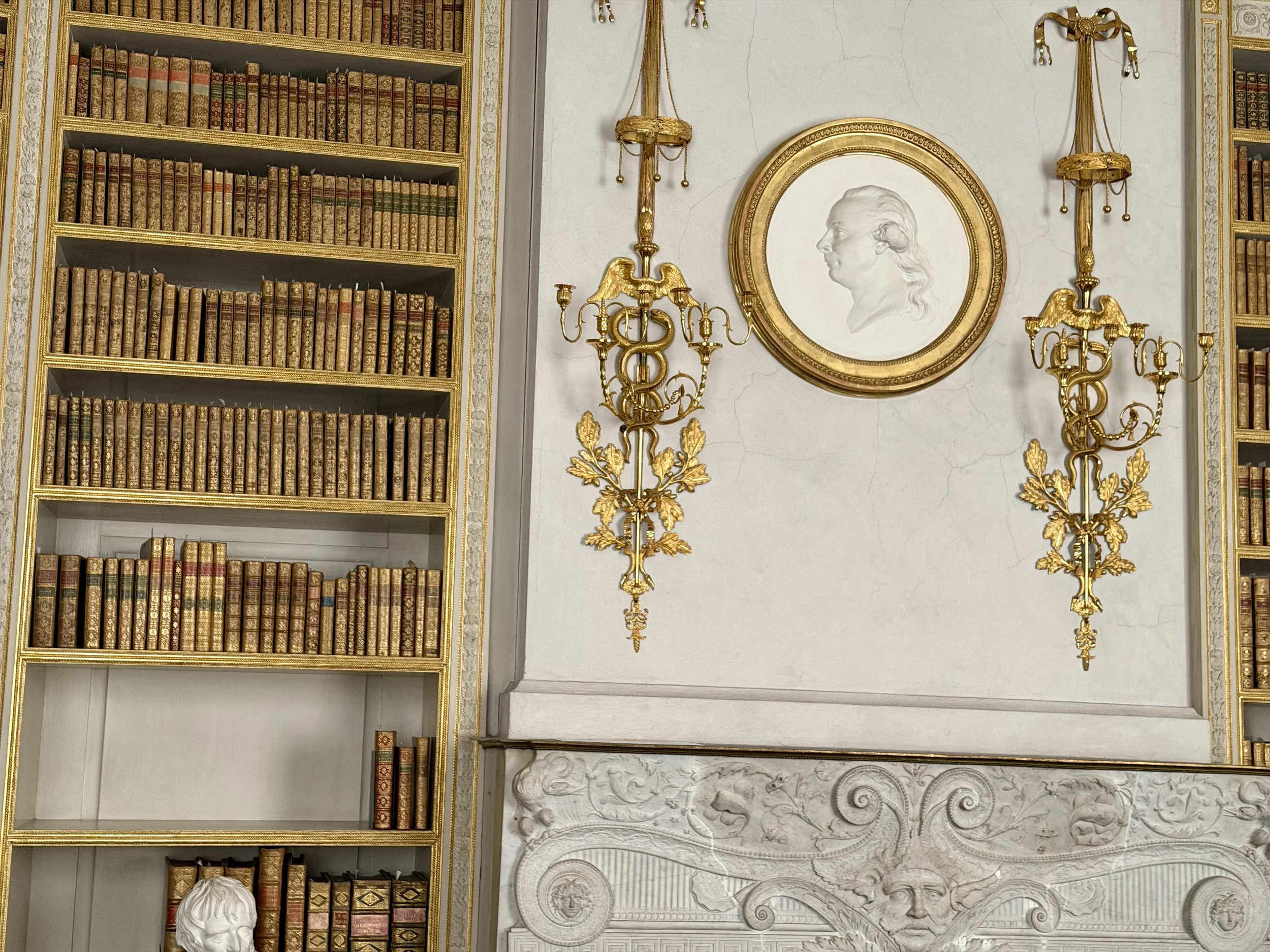
Exploring Sweden’s royal history also introduced me to one of the most interesting figures in European history: Queen or King Christina of Sweden. Born in 1626, Christina ruled Sweden from 1632 until her abdication in 1654. She remains super intriguing to anyone that’s LGBT because of her rejection of traditional expectations placed upon women of her era. In her writings and personal accounts, Christina expressed feelings that challenged conventional ideas of gender and identity. She rejected marriage, embraced intellectual freedom, dressed in ways that challenged gender norms and had close relationships with women that many modern historians have interpreted through a queer lens.
Standing in the Royal Palace of Stockholm while learning about Christina’s life kinda made things real realer than just reading about someone, because you could maybe imagine them in the various rooms. She was someone who chose personal authenticity over the expectations of monarchy, giving up one of the most powerful positions in Europe to live according to her own beliefs. Her story is remarkably modern considering it took place almost four hundred years ago.
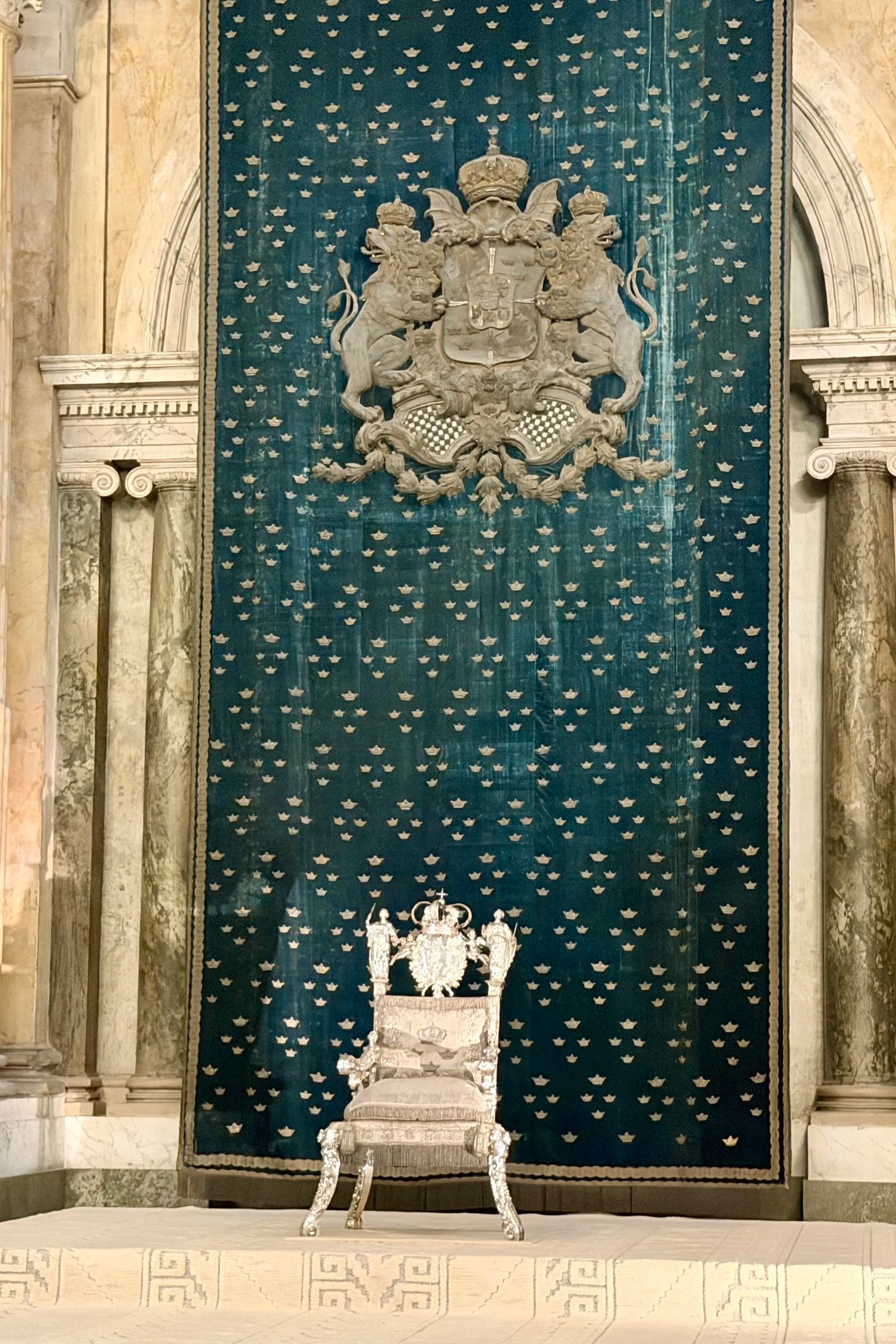
Our visit to the Royal Palace was a wonderful journey through Sweden’s history. The building itself is extraordinary, with its grand rooms, beautiful architecture and fascinating stories of restoration following the devastating fire that destroyed the previous Tre Kronor Castle in 1697. Exploring Stockholm’s Old Town with our wonderful guide Lars helped bring the city’s history alive, including learning how many early buildings were constructed using timber. Even the name Stockholm reflects this connection, with “stock” referring to wood or logs and “holm” meaning island.
We also visited the incredible Vasa Museum to see the legendary Vasa ship. Built under King Gustav II Adolf and launched in 1628, the ship sank on its maiden voyage after travelling only a short distance from Stockholm harbour. Often described as a historical parallel to the Titanic, (there is also a mini exhibit inside about the Titanic), the Vasa was an ambitious symbol of power and prestige that was ultimately undone by its enormous size and design.
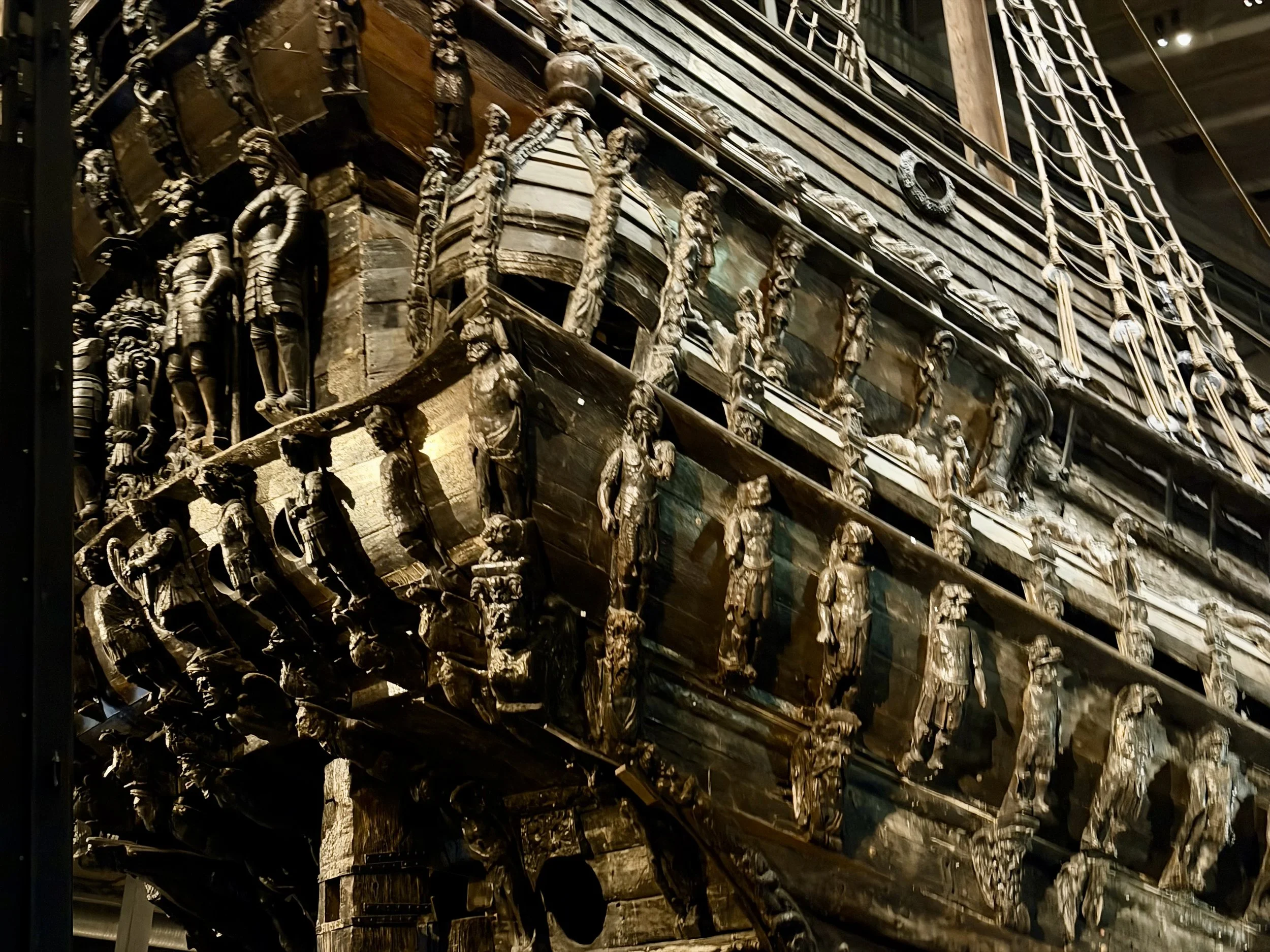
What makes the Vasa’s survival so extraordinary is the environment where it sank. The unusual conditions of the Baltic Sea, including low levels of shipworm activity, helped preserve the wooden vessel for more than 300 years. When it was raised from the water in the 1960s, approximately 90% of the original ship remained intact. Seeing it preserved inside the museum’s carefully controlled environment was genuinely breathtaking.
The ship itself is covered in thousands of decorative details, including carved figures, angels and symbols of royal power. The many cannons onboard were not simply about warfare but also represented status, intimidation and the authority of the Swedish crown. The Vasa was designed as a floating statement of power — a magnificent symbol of a nation’s ambition.
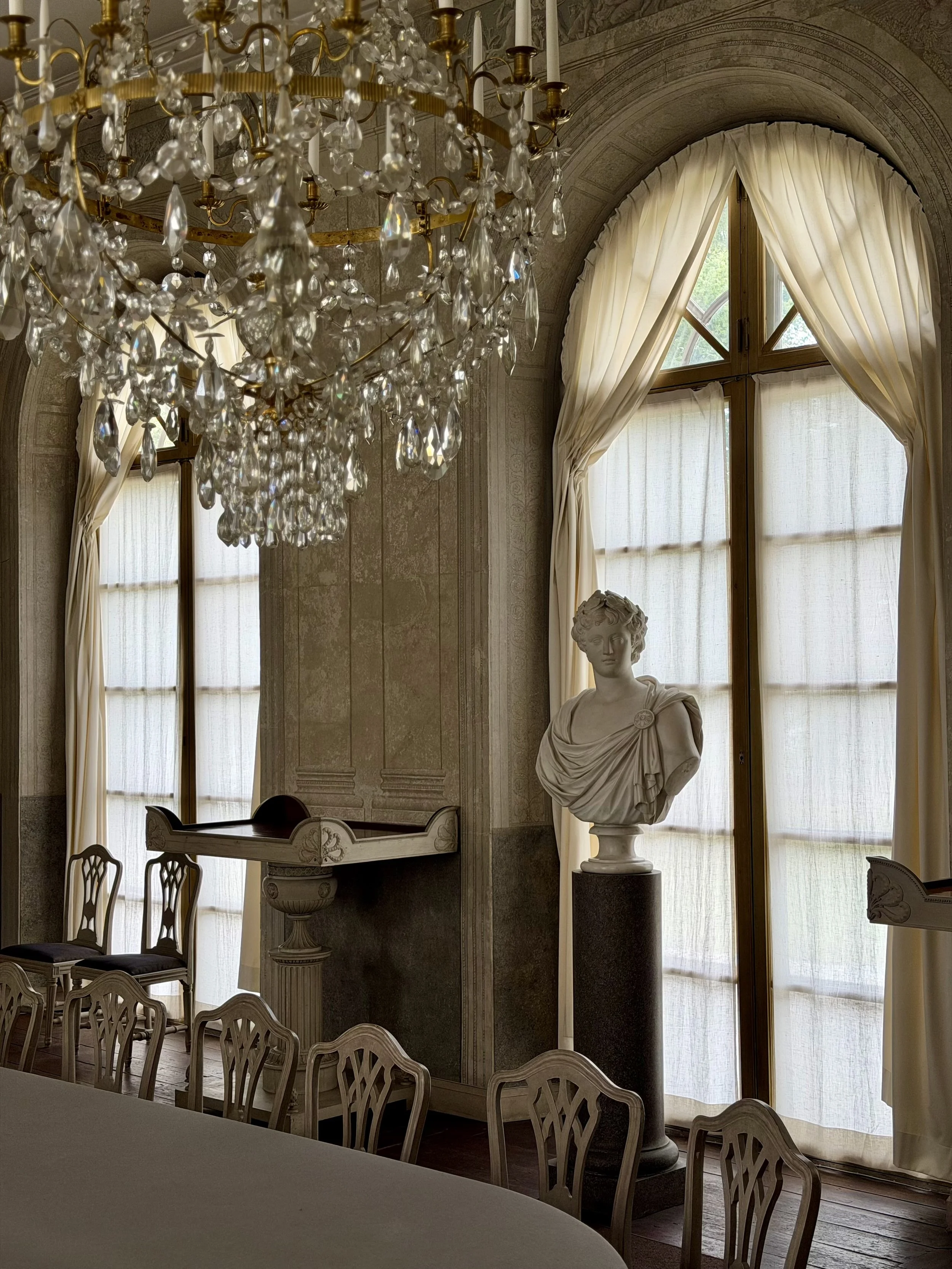
To finish our historical journey, we visited Gustav III's Pavilion, located within the beautiful surroundings of Hagaparken. This elegant 18th-century royal retreat was created by King Gustav III as a summer residence away from the formal surroundings of the palace. Designed in the Gustavian style, the pavilion is a beautiful example of refined Swedish architecture, surrounded by gardens, woodland and peaceful parkland.
Walking through these royal spaces gave me a completely different understanding of Sweden. Rather than history feeling distant or frozen in time, Stockholm presents its past as a super proud insight into a range of amazing personalities, unexpected stories and voices that are still relevant today. From queer monarchs and royal allies to extraordinary ships and hidden histories, Sweden’s heritage is far more diverse and fascinating than I realised!